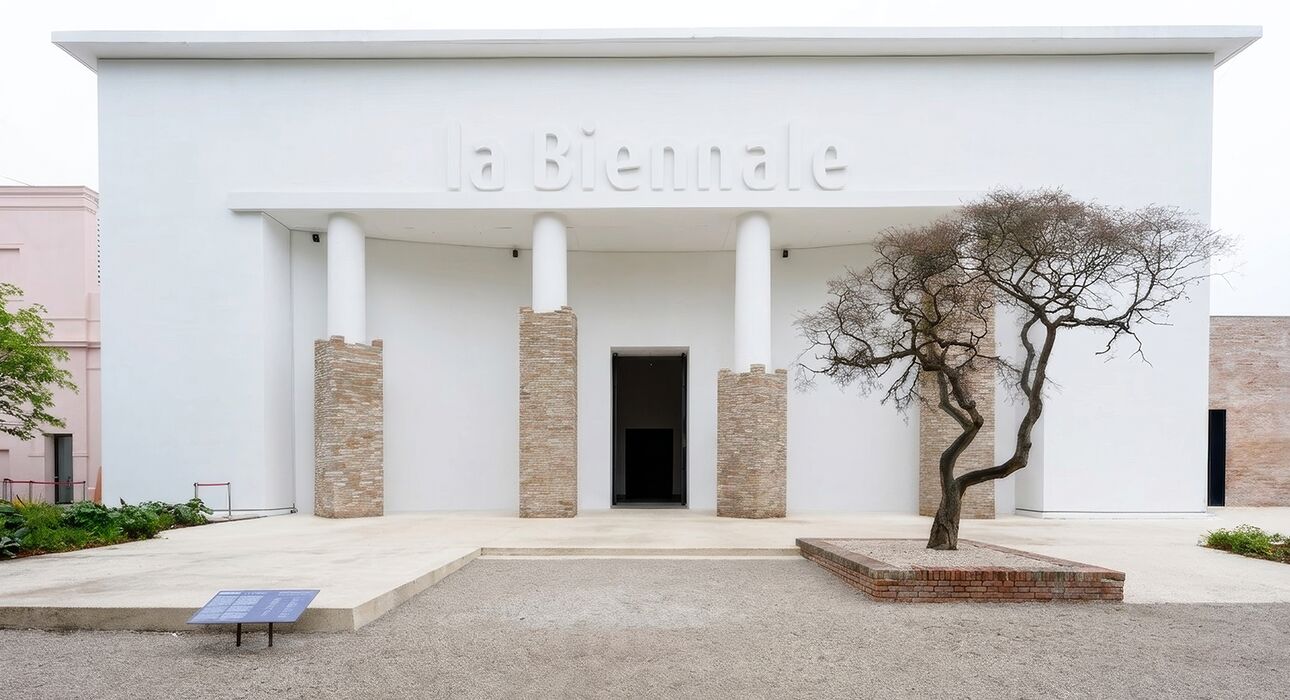
The 61st Venice Biennale has officially shifted from a celebration of global art to a staging ground for institutional collapse. Following the dramatic resignation of the exhibition jury amidst intense political friction, more than 70 participating artists have signed a joint statement withdrawing their names from award consideration entirely. This group includes heavyweights like Walid Raad, Alice Maher, and Alfredo Jaar.
“We feel this is a historic moment and there is no place for the Israeli pavilion or the Russian pavilion or for their propaganda.”
— Peter Sit (Curator of the Czech and Slovak pavilion, who withdrew from the awards)
This mass exodus is unprecedented in the 131-year history of the Biennale. It signals a breaking point for artists who are no longer willing to serve as diplomatic window dressing for a deeply fractured international community. Tensions had been brewing for months over international conflicts and funding sources. The situation finally culminated in a complete breakdown of trust between the creators and the institution.
For the organizers in Venice, the crisis presents an impossible question. How do you hand out Golden Lions when the pride has already left the building? The withdrawal effectively invalidates the competitive aspect of the prestigious event. It forces the art world to confront how heavily intertwined global politics and contemporary art have become.
Observers and critics are now waiting to see if this boycott will spread to other major international exhibitions. The Venice Biennale may survive this year, but the fundamental relationship between the institution and the artists it relies upon has been permanently altered.
Interested in Blue chip works?
We offer end‑to‑end expertise - acquisitions, legacy planning, and collection development - so every artwork adds cultural depth and financial strength. Let's shape your collecting future.Book your consultation now!