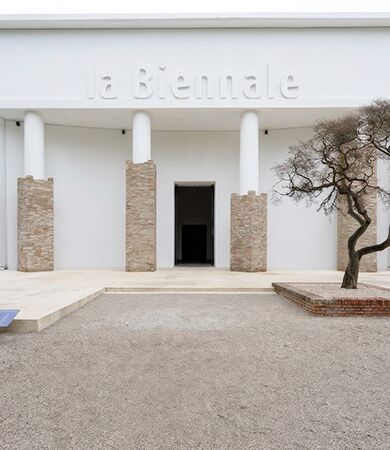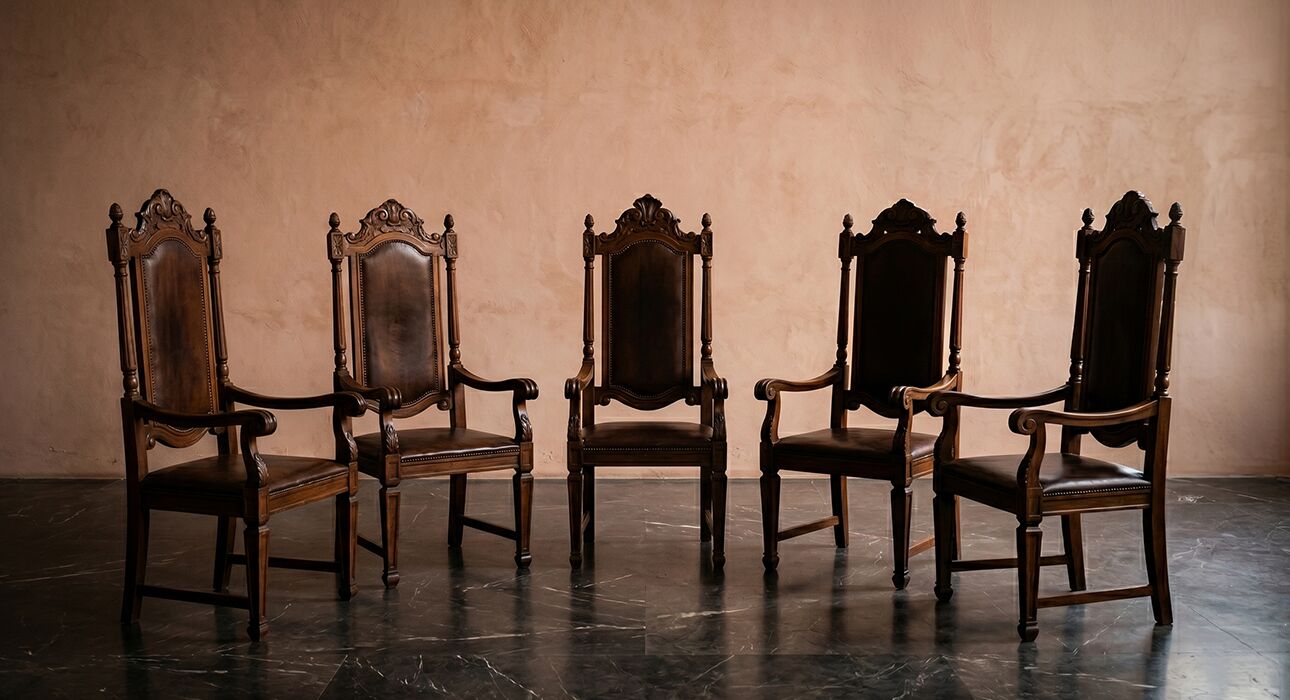
In a move that has sent shockwaves from the Giardini to the Arsenale, the entire five-person jury of the 61st Venice Biennale has officially resigned. The unprecedented walkout occurred just days before the prestigious Golden Lion awards were to be deliberated. This mass exit centers on an escalating dispute regarding the participation of the Israeli and Russian pavilions amid ongoing global conflicts. The Biennale has always billed itself as an oasis of cultural exchange. The events of this week, however, prove that the art world is intimately tethered to international strife.
“We found ourselves in an entirely untenable position. To deliberate and award a prize under the current institutional silence would be to endorse a status quo we fundamentally oppose. We cannot pretend the art exists in a vacuum separate from the violence of the world it inhabits.”
— Elena Rostova, Independent Curator and Former 61st Biennale Jury Member
For months leading up to the opening, the Biennale has been a pressure cooker of protests, petitions, and open letters. Artists and curators demanded strict institutional accountability. Activists staged demonstrations outside national pavilions, demanding that organizers take a definitive moral stance. The jury’s resignation highlights a growing fracture within the international art community. There is an impossible balancing act between the Biennale’s historical mandate as an apolitical champion of global artistic expression and the stark realities of modern geopolitics. Many critics argue that remaining neutral is no longer a viable option for cultural institutions of this magnitude.
This is not the first time the Venice Biennale has faced political turmoil. The institution famously navigated massive protests in 1968 and dealt with boycotts over apartheid South Africa in previous decades. Yet, the current crisis feels distinctly modern in its rapid escalation and the intense pressure applied via digital activism. Social media campaigns have effectively forced arts professionals to publicly state their allegiances. For the jury members, the professional and personal cost of participating in a contested award ceremony ultimately outweighed the prestige of the role.
While the Biennale committee scrambles to appoint a stopgap jury to ensure the awards proceed, the walkout has already fundamentally altered the legacy of this year’s exhibition. The participating artists now face a deeply compromised evaluation process. Many of these creators spent years preparing their complex installations and now find their moment overshadowed by administrative collapse. This historic resignation serves as a stark reminder that the world's most celebrated stage is currently defined more by the voices refusing to participate than by the art currently on display.
Interested in Blue chip works?
We offer end‑to‑end expertise - acquisitions, legacy planning, and collection development - so every artwork adds cultural depth and financial strength. Let's shape your collecting future.Book your consultation now!