The 2026 edition of Frieze New York just closed out a highly successful run. Gallery directors are reporting significant sales across both emerging and established artist practices. The most notable trend from the fair is the aggressive return of major museums and public foundations acting as primary buyers. Directors noted a strong demand for works that center on cross cultural exchange, proving that institutional collections are actively trying to diversify their permanent holdings directly from the busy fair floor.
This shift represents a highly calculated strategy by museum boards across the country. Historically, massive institutions relied heavily on wealthy trustees to purchase artworks at fairs and subsequently donate them years later. However, facing intense public pressure to immediately update their galleries to reflect a more inclusive worldview, museums are increasingly utilizing dedicated acquisition funds to buy directly. At Frieze New York, curators from the Midwest and the West Coast were seen snapping up large scale contemporary pieces within the first few hours of the VIP preview day.
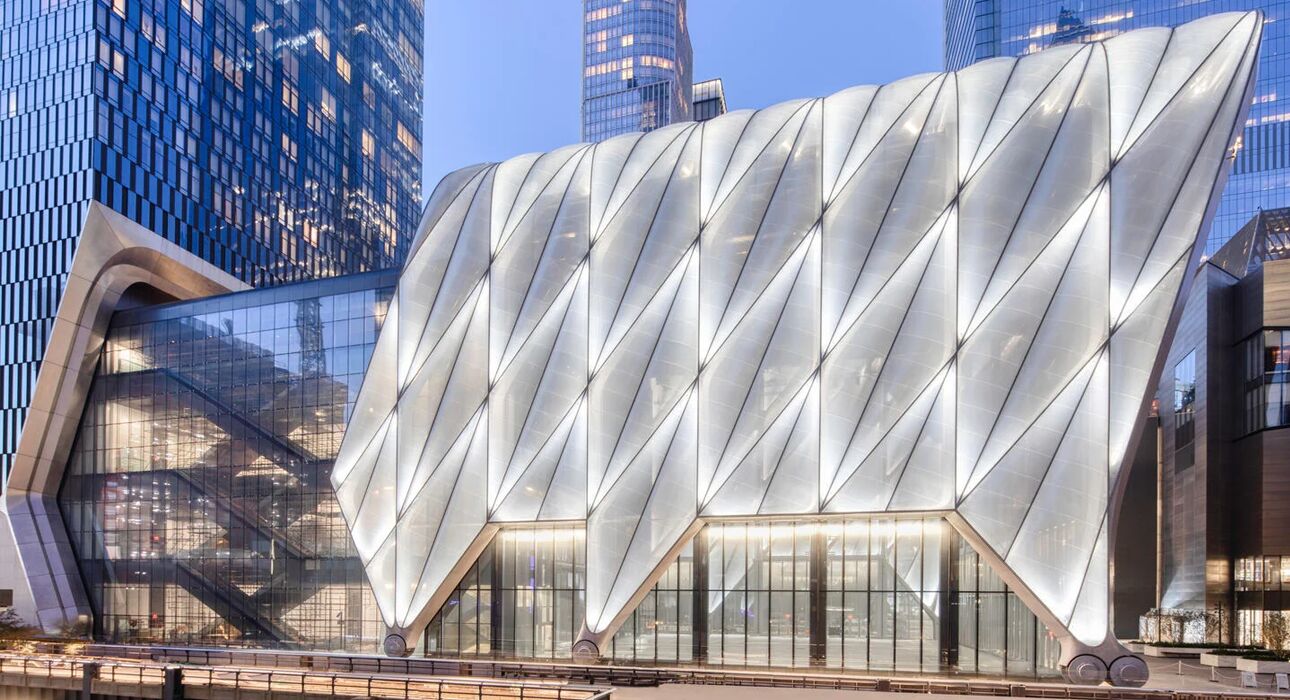
The physical layout of the fair at The Shed played a significant role in this institutional success. The organizers deliberately curated the main aisles to feature galleries highlighting indigenous voices, global diaspora narratives, and queer histories. This thoughtful curation allowed museum directors to easily locate the exact types of critically engaged artworks their boards had authorized them to acquire. Several prominent galleries reported completely selling out their booths to public institutions by the end of the opening weekend.
As the art market adjusts to this new institutional dominance, emerging galleries are reaping the benefits. Having a young artist placed in a major museum collection instantly validates their entire studio practice and allows their gallery to immediately raise prices for future works. This symbiotic relationship between commercial art fairs and non profit museums is proving to be a powerful economic engine, fundamentally reshaping how contemporary art history is written and funded in real time.
Interested in Blue chip works?
We offer end‑to‑end expertise - acquisitions, legacy planning, and collection development - so every artwork adds cultural depth and financial strength. Let's shape your collecting future.Book your consultation now!