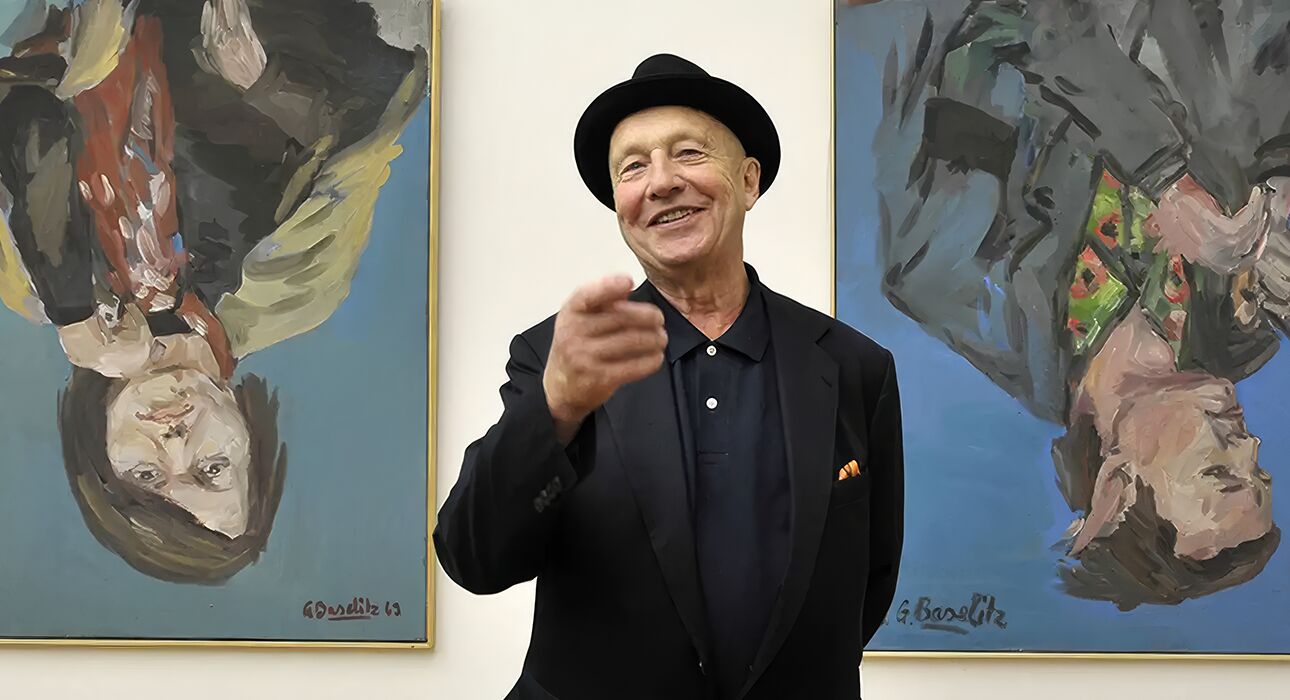
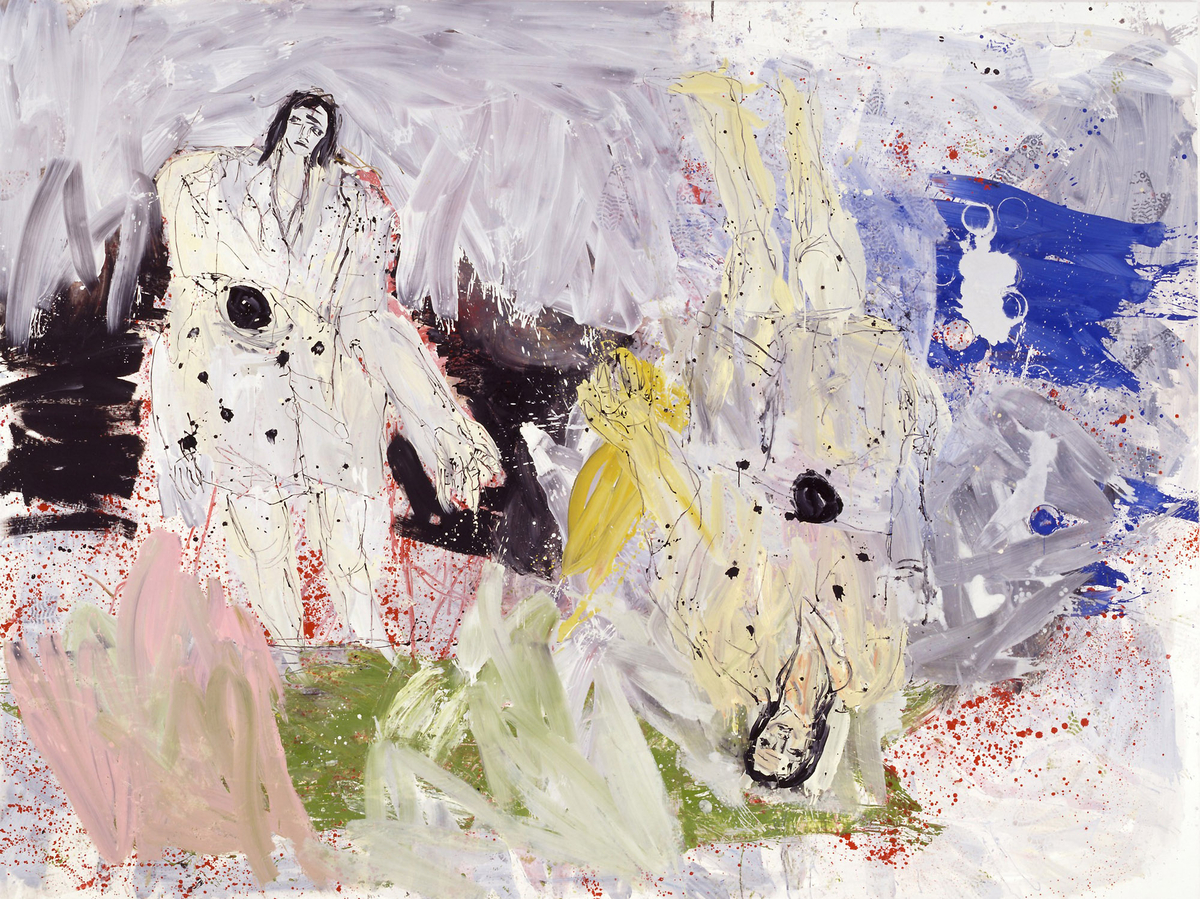
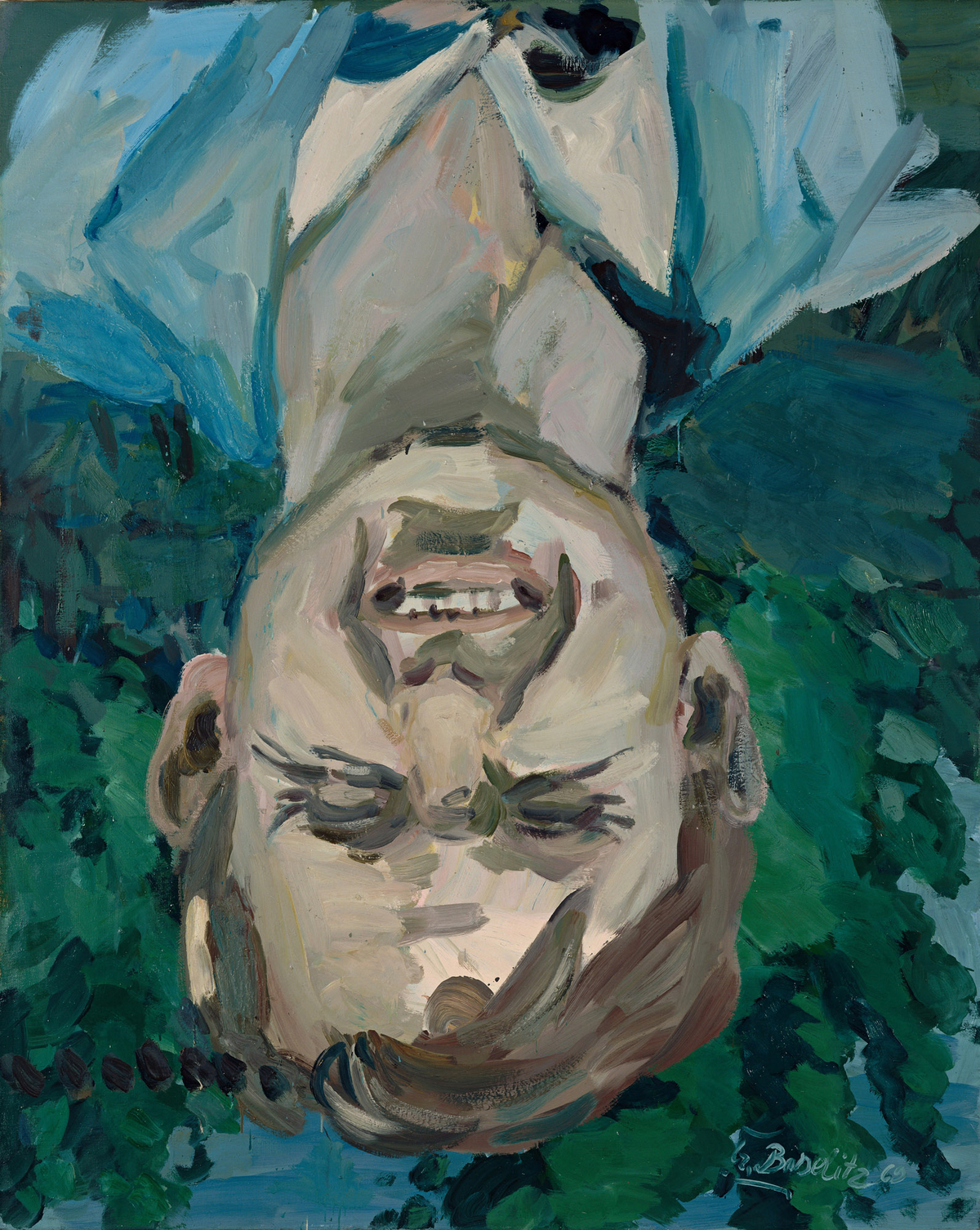
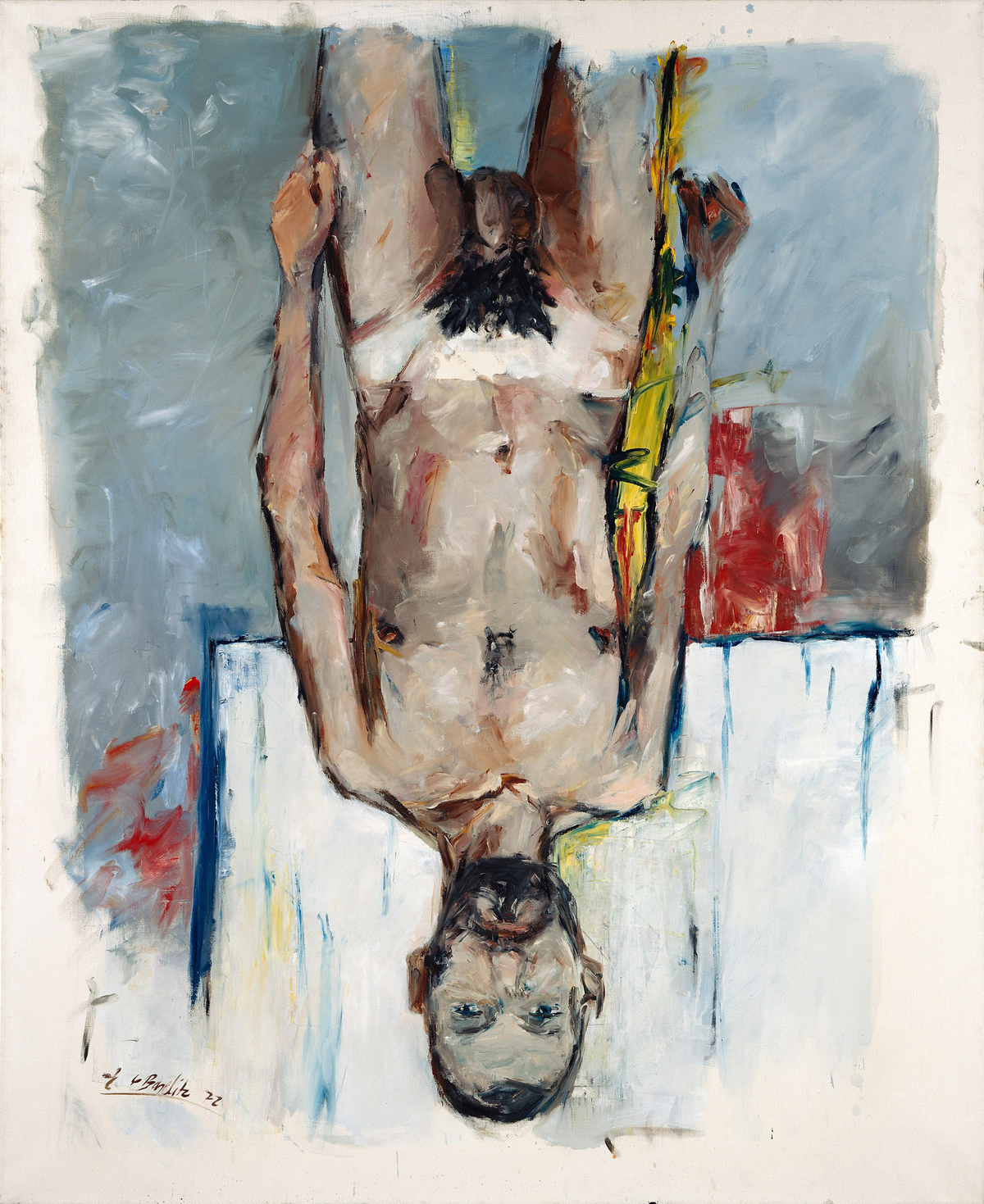
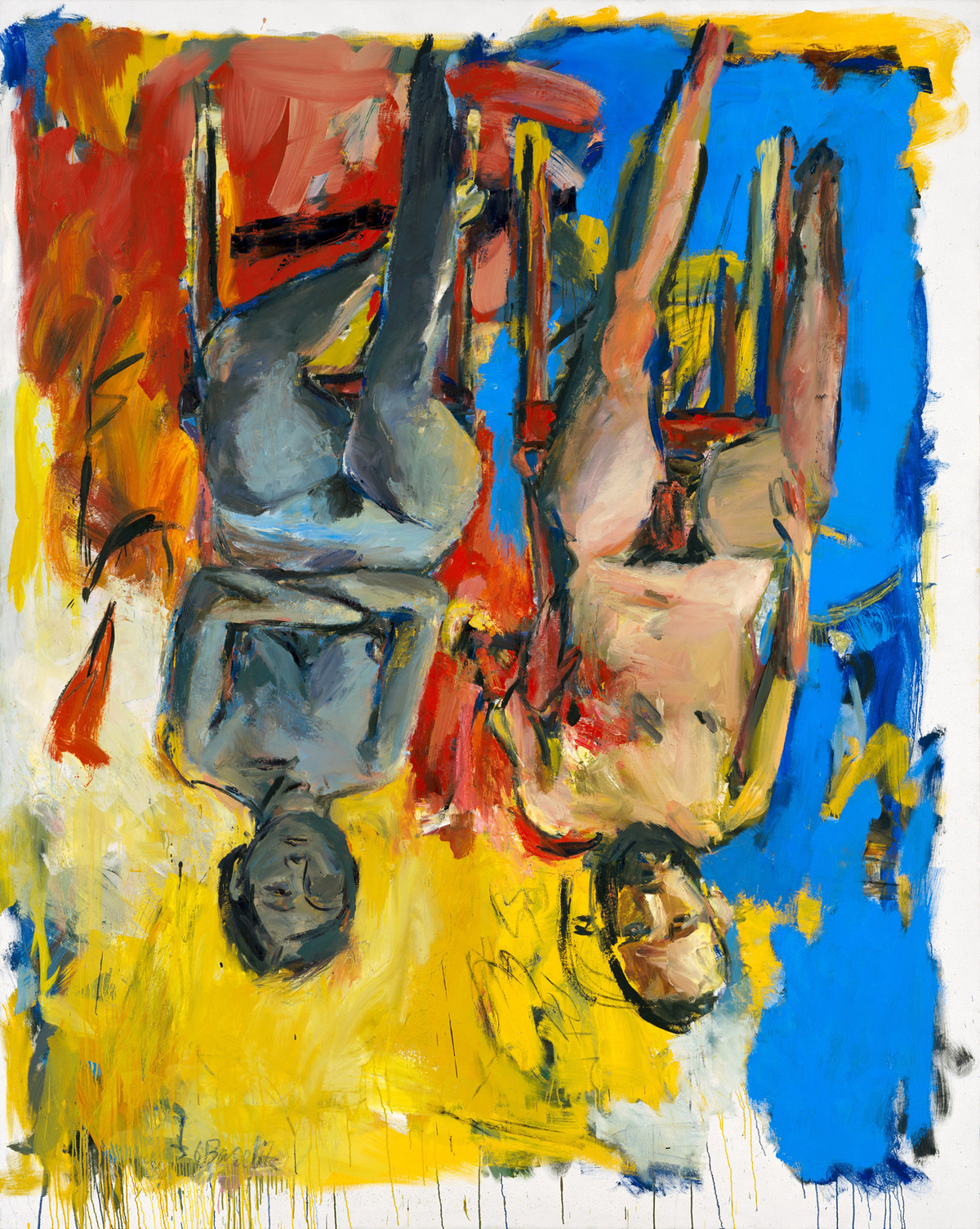
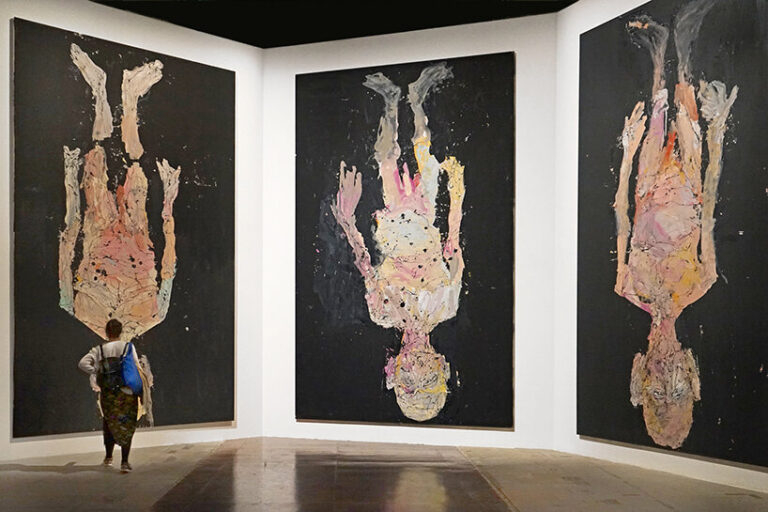
He painted upside down. Meaning the art, not the artist. It was the longtime trademark of German-born painter Georg Baselitz, who passed away peacefully on April 30 at the age of 88. No, these canvases are not boring. When we previously met up with the artist, accompanied by his translator, at a major retrospective of his work at the Hirshhorn Museum in Washington, D.C., the burning question remained: Why turn them upside down? What does it do for the viewer?
His answer was characteristically blunt. It was meant to cause "irritation for the designer and some sort of irritation for the viewer." And that was entirely intentional. While some always saw genius in his work, others saw a gimmick. Critics frequently debated whether these inverted images were a brilliant trick to sell art or the result of a profound, lifelong search for identity. Any way you look at it, up until his final days, Baselitz was one of today's top-selling living artists and a true titan of the Neo-Expressionist movement.
Born Hans-Georg Kern in 1938 in the village of Deutschbaselitz (from which he later took his name), he grew up amid the physical and moral ruins of the Third Reich. "I was born into a destroyed order, into a destroyed landscape, into a destroyed people, into a destroyed society," he once remarked. This early immersion in collapse heavily influenced his refusal to conform. After being expelled from the East Berlin Academy for "sociopolitical immaturity," he moved to the West, where he began crafting his raw, visceral, and unapologetically brutal artistic language.
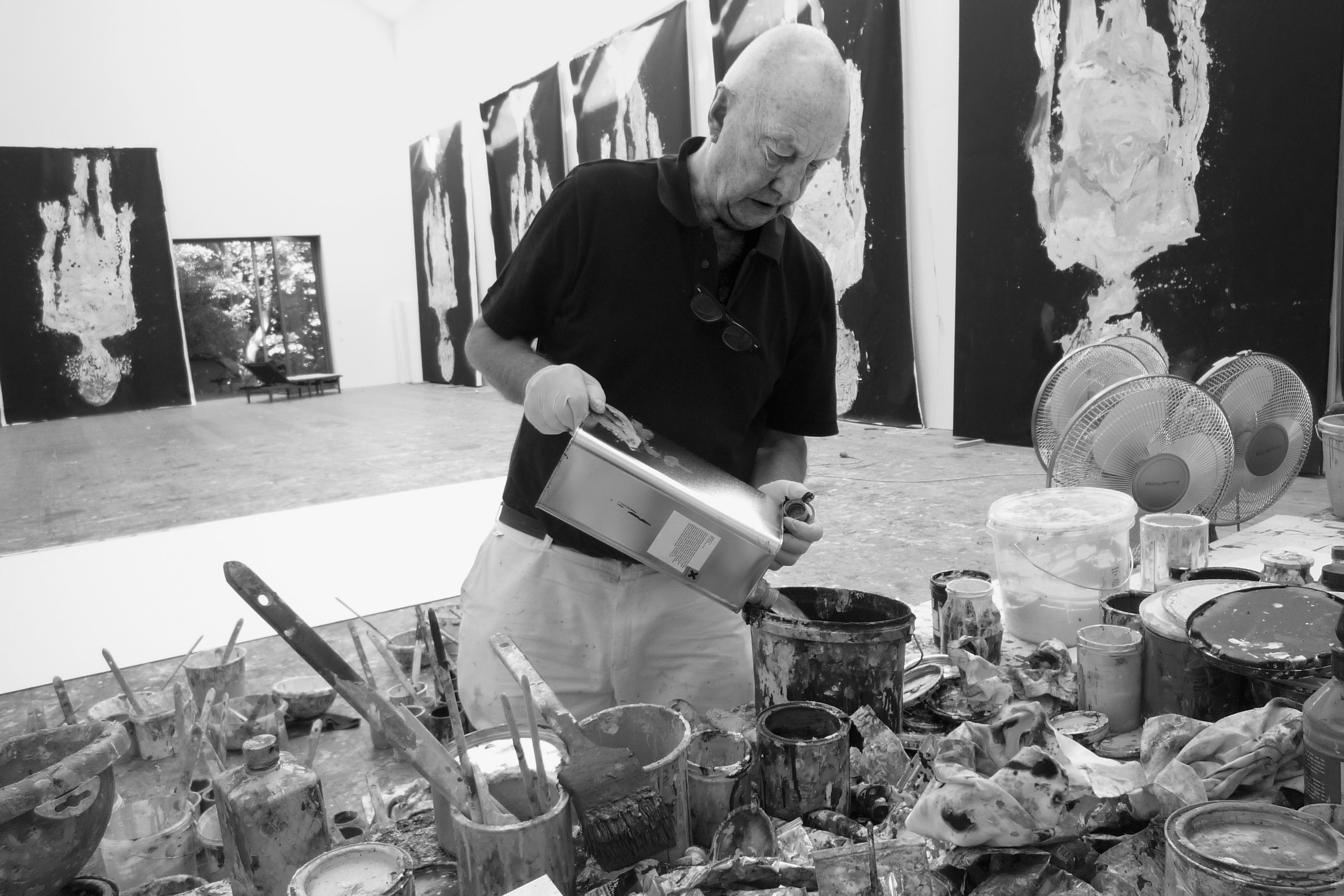
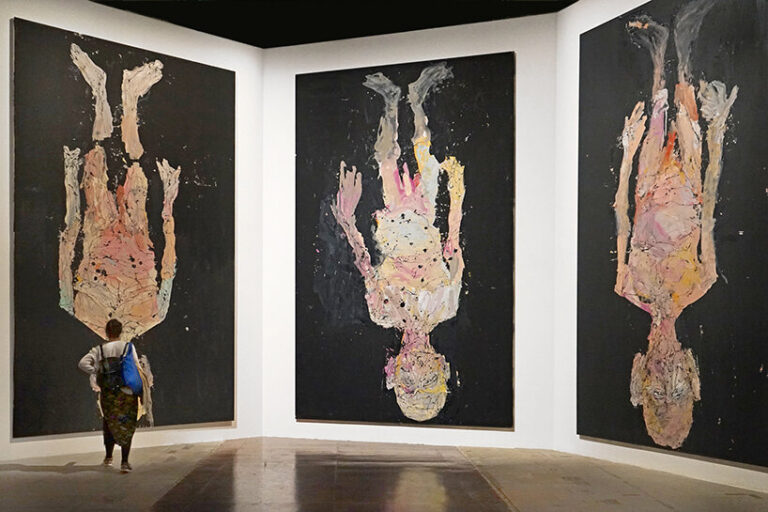
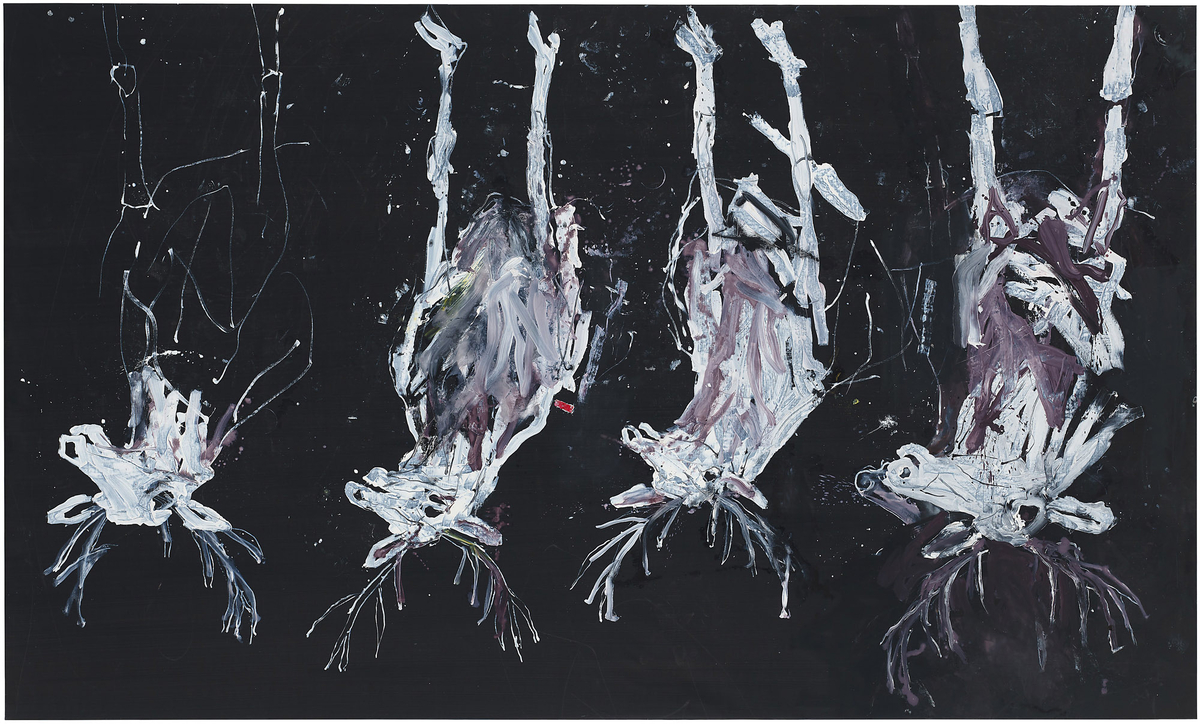
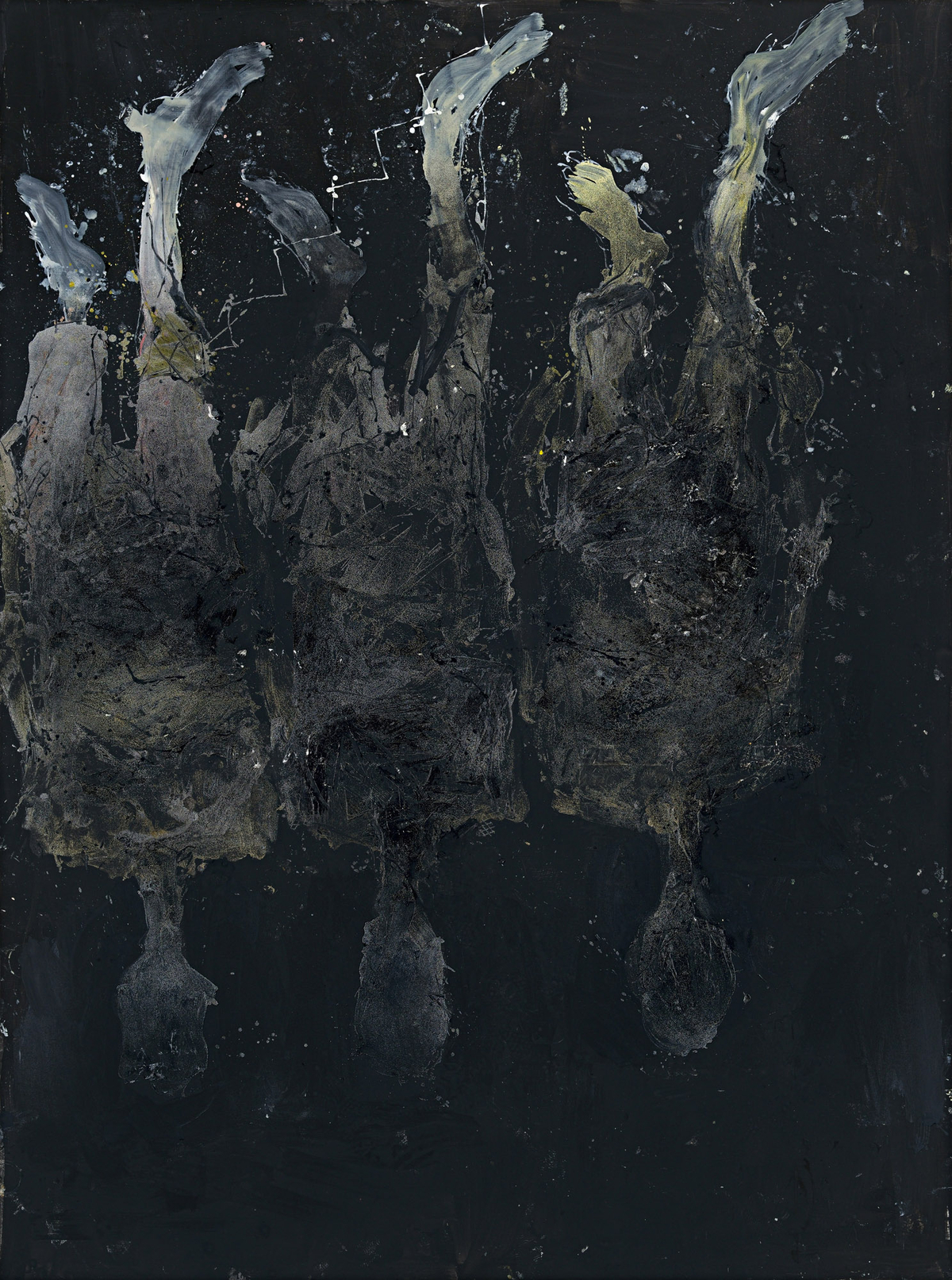
In 1969, Baselitz created his first inverted painting, The Forest on its Head. By severing the relationship between the image and straightforward representation, he forced viewers to engage purely with the physical mechanics of his paint. Suddenly, audiences had to focus their attention directly on his aggressive brushstrokes, his bold use of color, and his immense scale. He was not just turning trees and figures upside down; he was upending our psychological routines and the very expectations of figurative art.
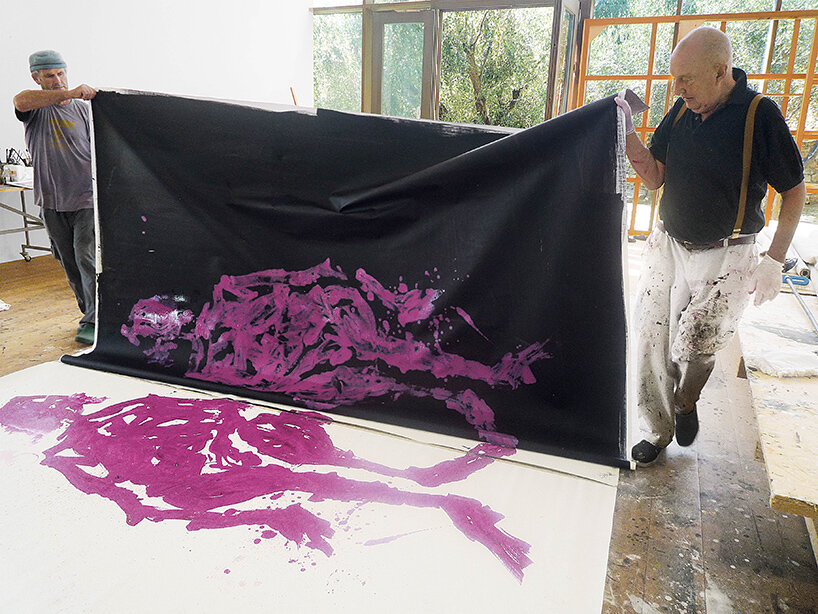
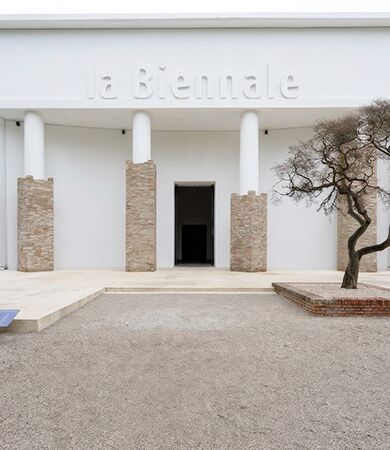
His legacy, however, is not without its thorns. From his 1963 debut solo exhibition, which was raided by a vice squad who confiscated his paintings on grounds of obscenity, to his massive, chainsaw-hewn wooden sculptures that sparked fierce political debates at the 1980 Venice Biennale, provocation was his closest companion. Later in life, his stubbornly regressive comments regarding the market value and capabilities of female artists drew widespread, justified condemnation, leaving a stain on his towering influence.
Yet, the art remains undeniable. Survived by his wife and lifelong muse, Elke, Baselitz leaves behind a body of work that captures the geopolitical fragmentation of the postwar era better than almost any of his contemporaries. His late-career masterpieces, including floating, spectral, golden-hued portraits of himself and Elke, proved that his creative fire never dimmed. Georg Baselitz built an empire on irritation, and in doing so, he forced us to look closer, think harder, and see the world from an entirely different angle.
Interested in legacy works by Georg Baselitz?
We offer end‑to‑end expertise - acquisitions, legacy planning, and collection development - so every artwork adds cultural depth and financial strength. Let's shape your collecting future.Book your consultation now!