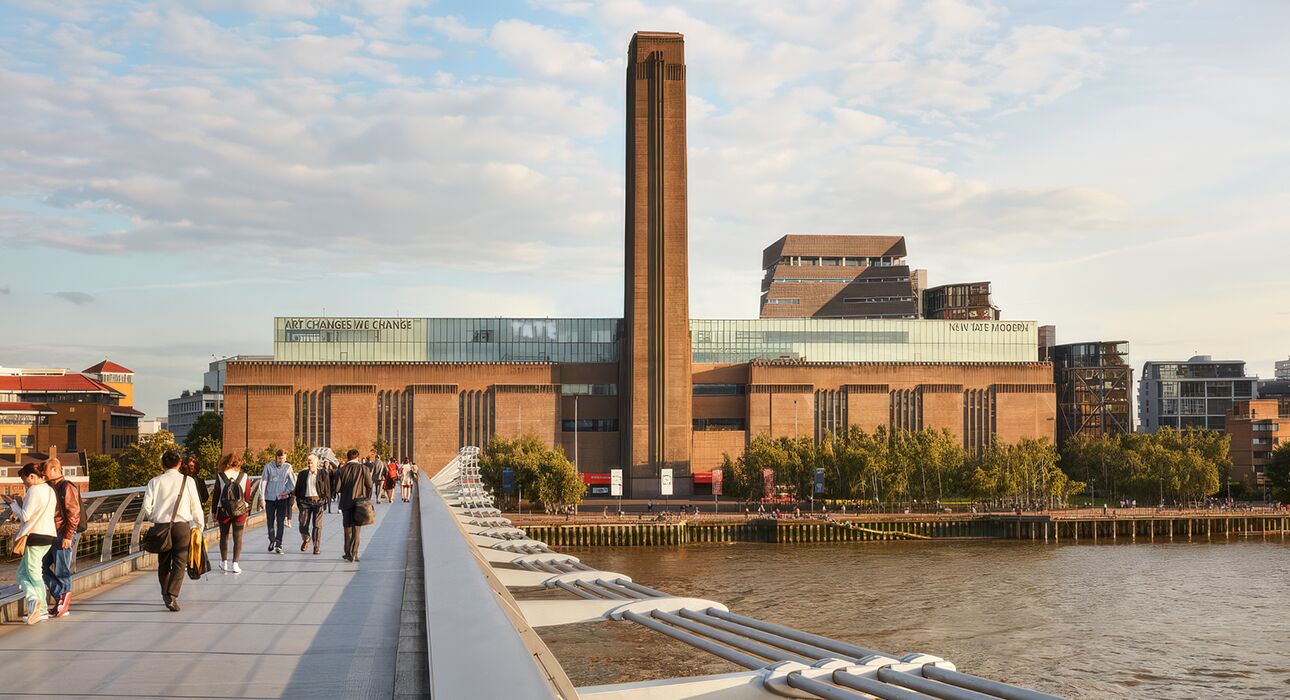
The Tate Modern is bracing for a highly tumultuous summer. Unionized workers at the London institution have officially announced an indefinite strike starting in late June. The walkout is the direct result of months of stalled negotiations over widespread pay disparities, precarious freelance contracts, and rapidly deteriorating working conditions for front of house staff.
“Our members are the absolute backbone of this institution. While the Tate expands its global footprint and acquires multi million pound artworks, the workers standing in the galleries cannot afford basic rent in London. We have been left with no choice but to walk out.”
— Mariah Jenkins (Union Representative for Front of House Staff)
The timing of the strike is intentionally aggressive. By targeting the peak international tourist season, the union hopes to force the museum board into immediate action. Workers argue that while the institution spends millions acquiring new contemporary works and expanding gallery spaces, the people who actually keep the building running are struggling to survive the crushing cost of living crisis in London. Security guards, ticketing agents, and gallery assistants have all voted overwhelmingly in favor of the industrial action.
“We are deeply disappointed by the decision to proceed with industrial action. We highly value our front of house teams and have offered the maximum pay increase possible under our current financial constraints. Following severe reductions in government arts funding, we must balance our commitment to our staff with the long term survival of the museum.”
— Official Statement from Tate Management
Gallery closures and severely limited operating hours are now entirely expected throughout July and August. This will likely cause massive disruptions for several high profile summer exhibitions that have been years in the making. The museum leadership released a brief statement expressing disappointment in the strike vote, citing severe budgetary shortfalls following recent government funding cuts to the arts sector.
The situation at the Tate is not an isolated incident. It reflects a much broader and growing global trend of labor mobilization within major cultural institutions. From New York to Paris, museum workers are increasingly unionizing to demand a living wage. Museum directors everywhere are watching the Tate Modern very closely to see who will blink first in this high stakes standoff, knowing their own institutions might be next.
Interested in Blue chip works?
We offer end‑to‑end expertise - acquisitions, legacy planning, and collection development - so every artwork adds cultural depth and financial strength. Let's shape your collecting future.Book your consultation now!