When I walked into the Brant Foundation's East Village location, I was immediately directed to take the elevator to the fourth floor and walk down, floor by floor, to experience the exhibition. This physical downward journey felt like a fitting structural metaphor for an artist whose work was so deeply rooted in the subterranean life of New York City. Curated by Dr. Dieter Buchhart and Dr. Anna Karina Hofbauer, the showcase bypasses the polished ubiquity of Keith Haring's later commercial success to focus intensely on his breakthrough years from 1980 to 1983.
“Haring was a champion for important causes of his time, particularly the AIDS crisis. He used his art to support his tireless activism and advocate for change.”
— Peter M. Brant, The Brant Foundation founder
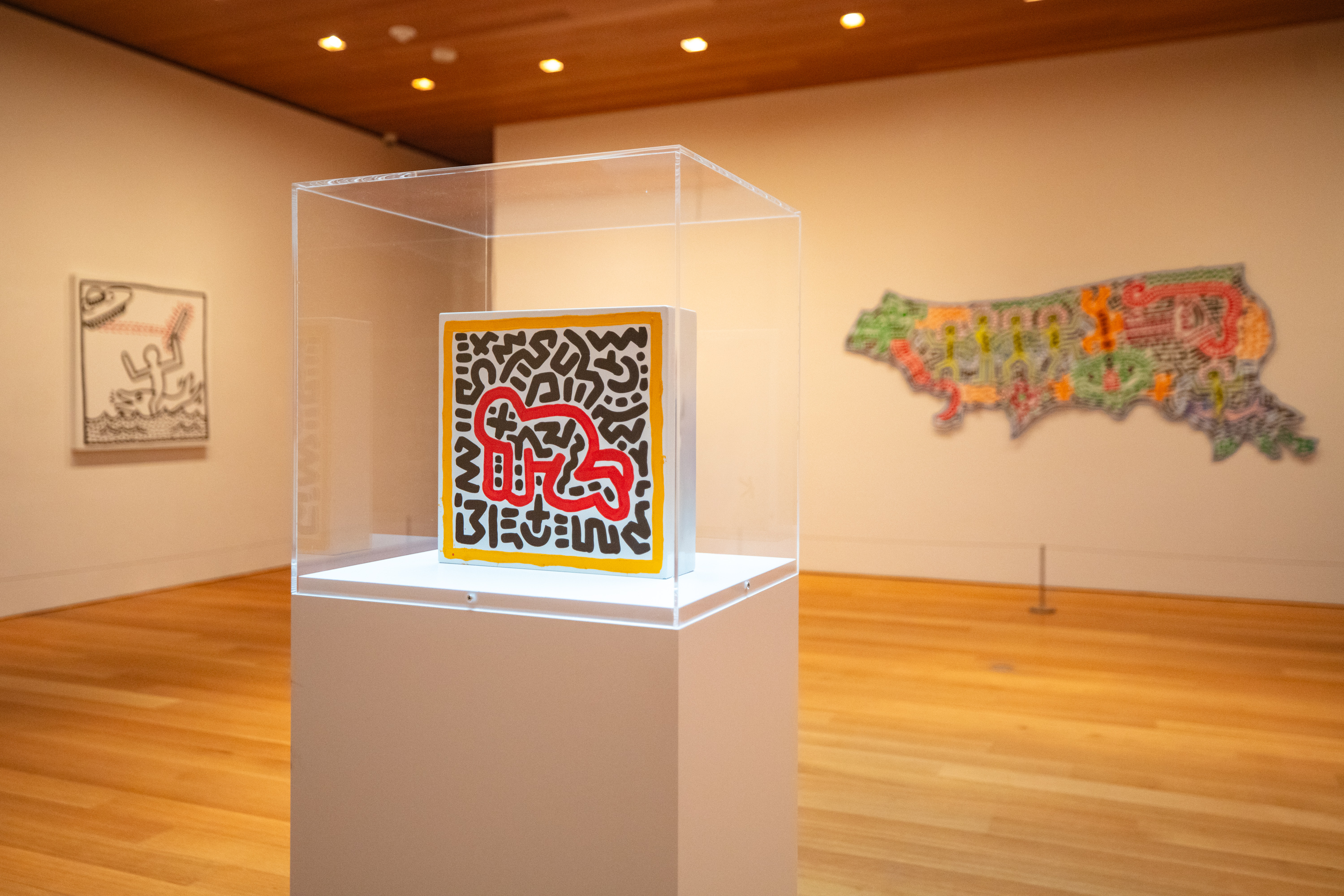
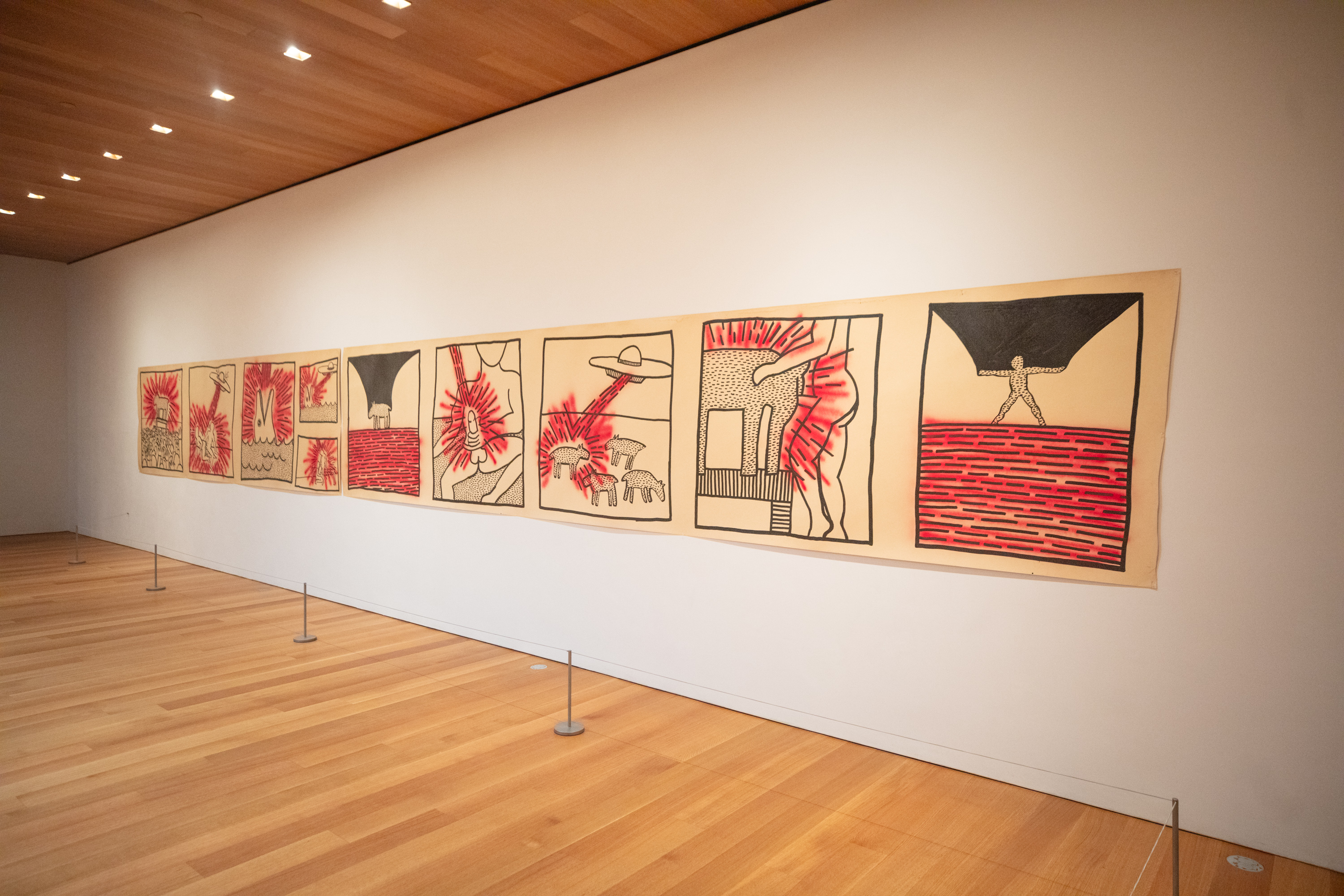
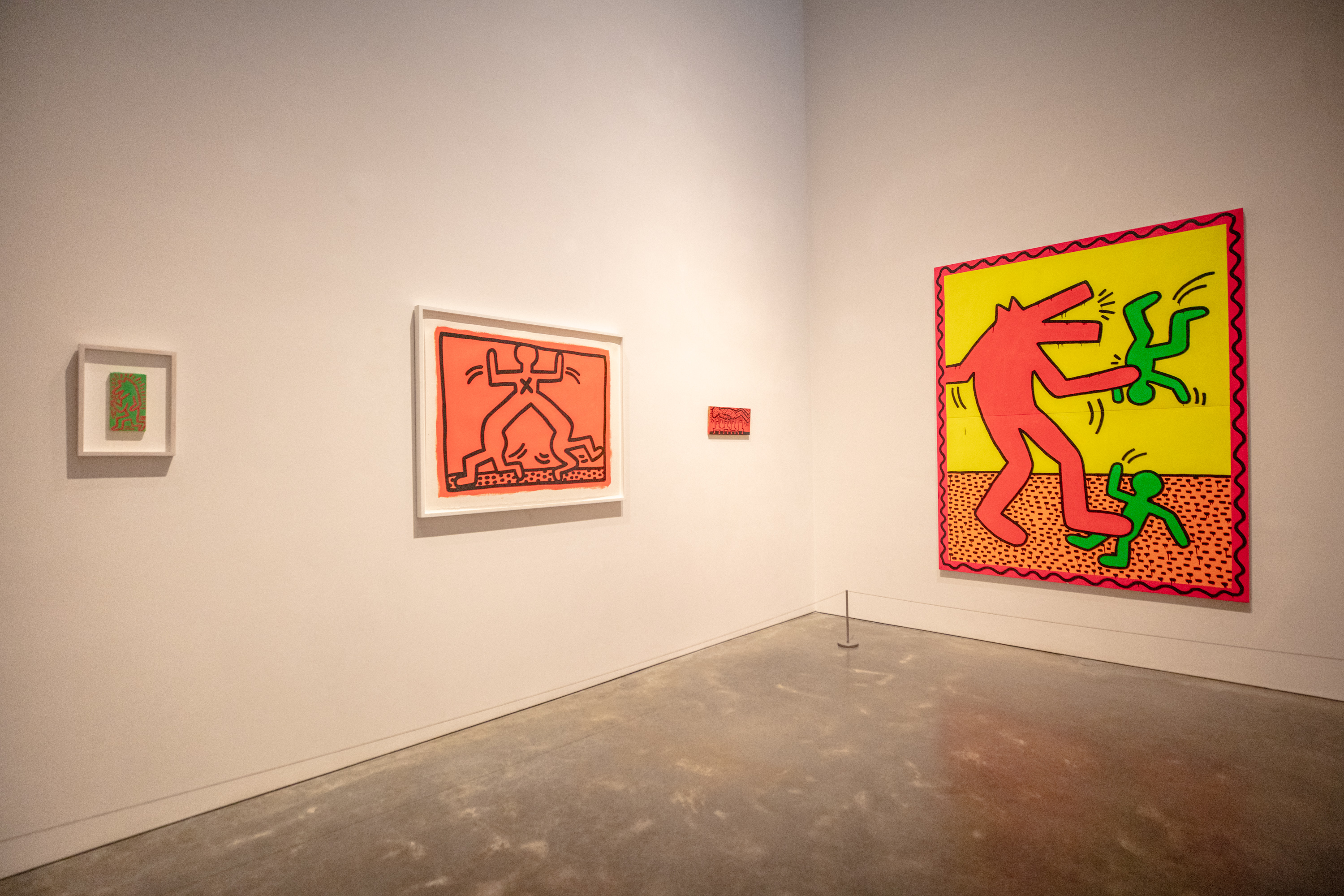
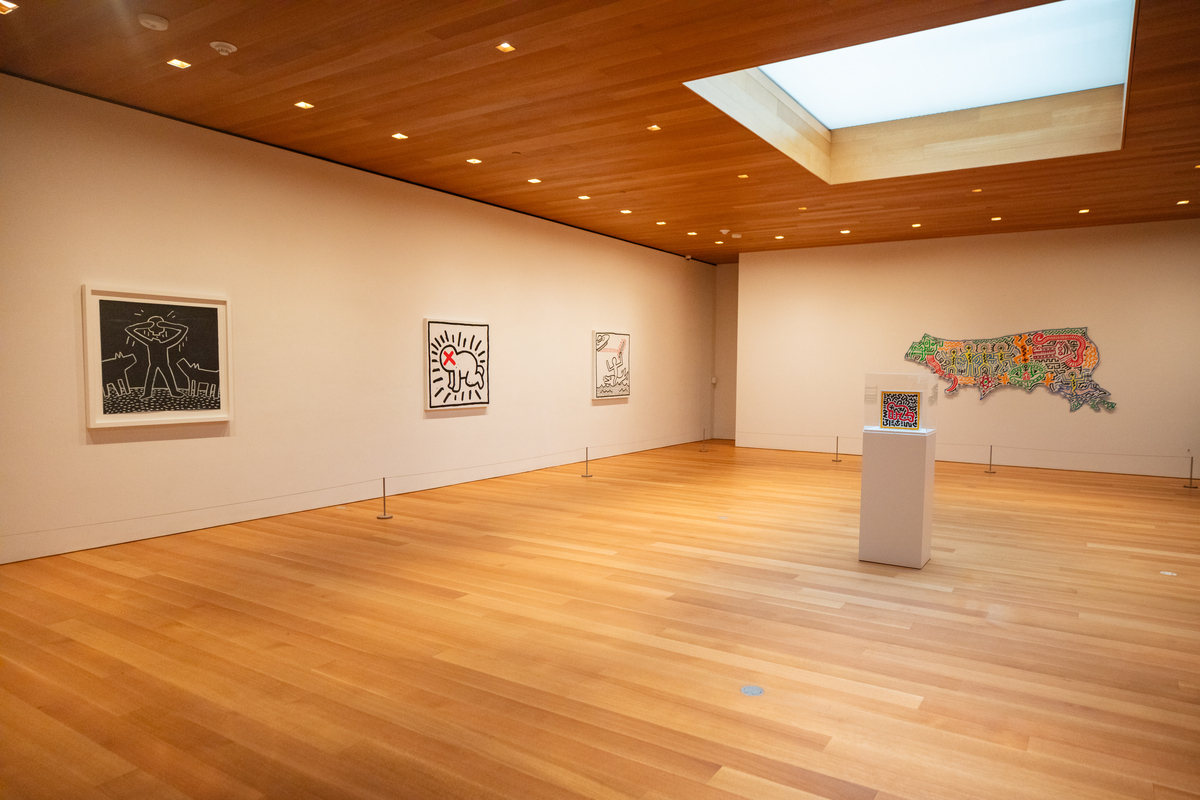
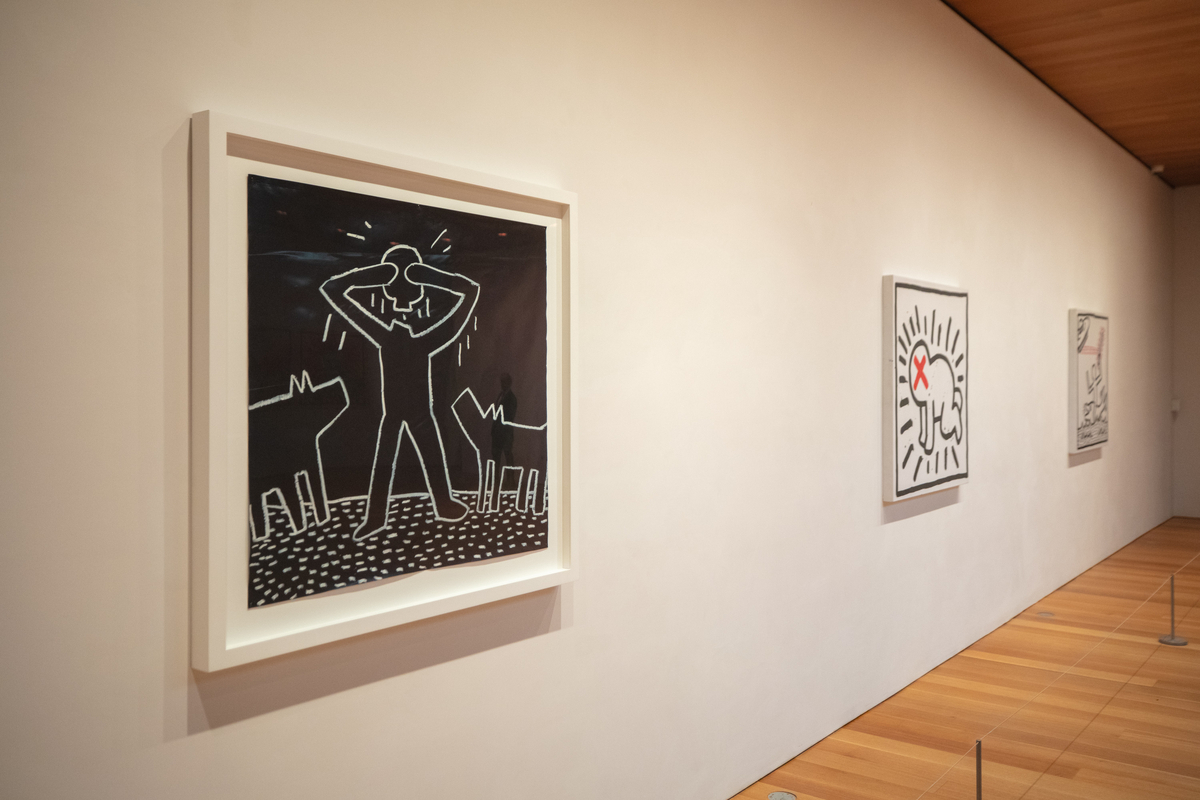
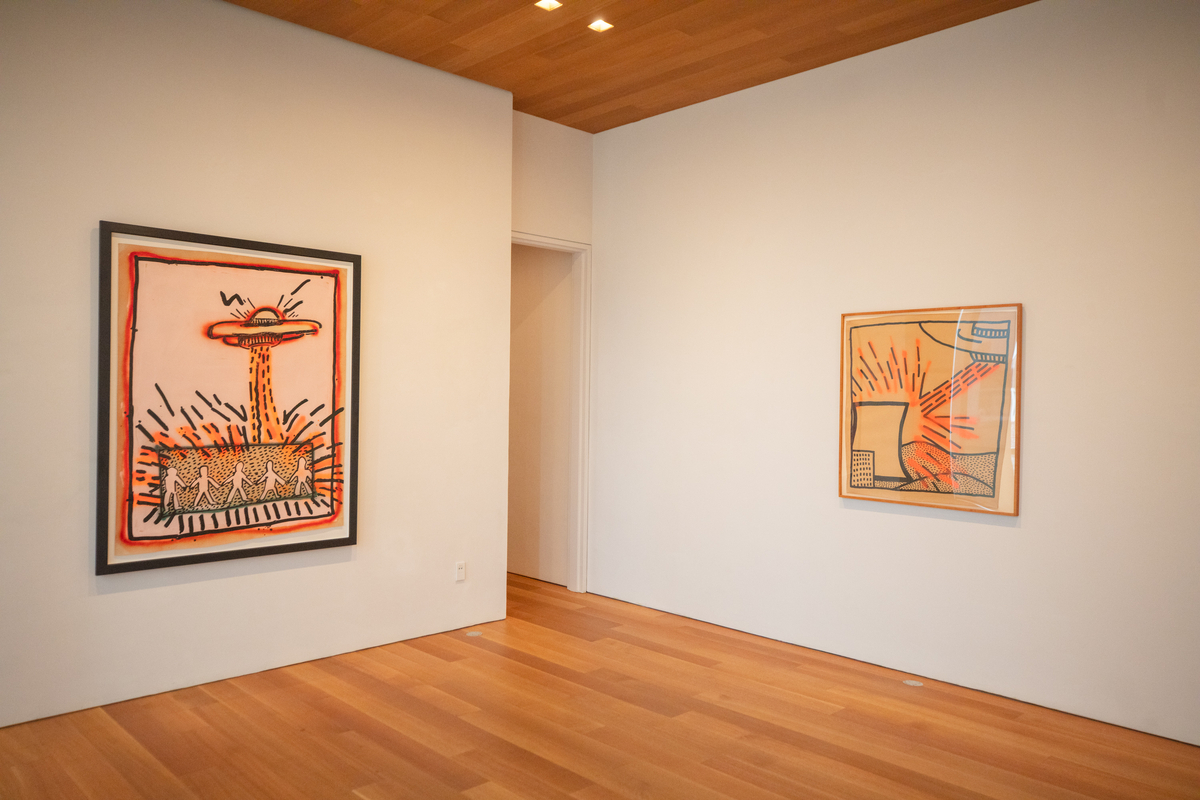
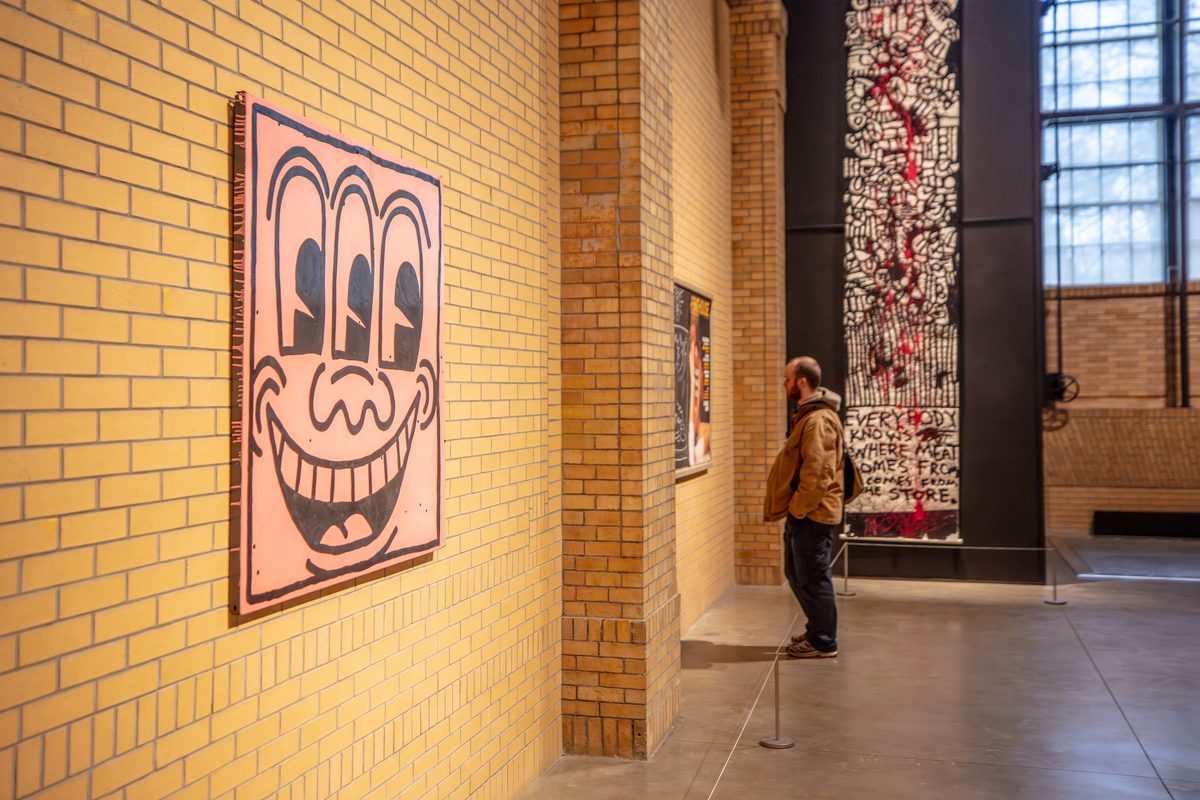
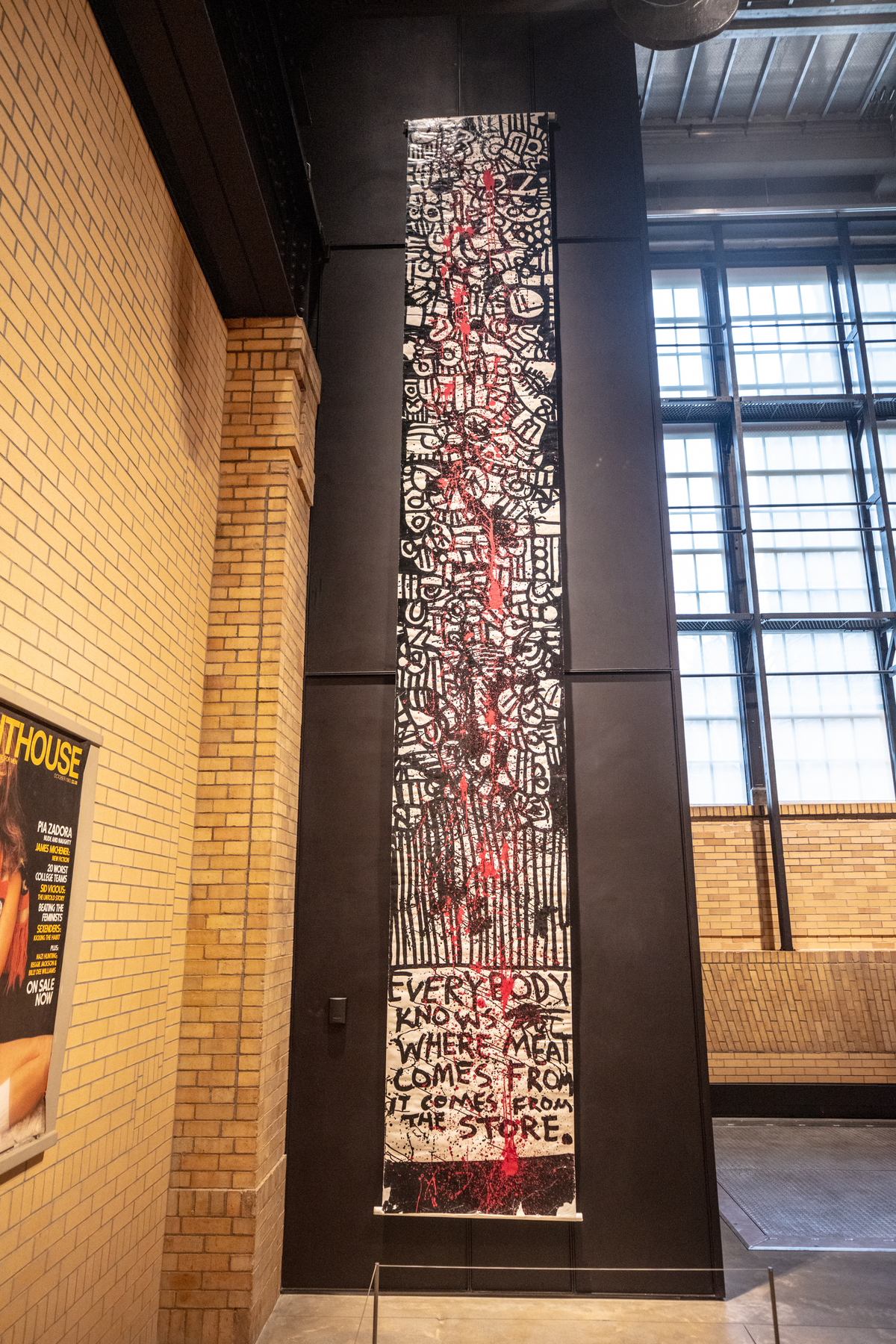
Stepping out onto the fourth floor, I found myself in a massive, airy space anchored by a large skylight and framed by light wood floors and ceiling panels. At the center of the room, a modest but powerful talisman set the stage. An encased 12 by 12 inch piece on a solitary podium featured Haring's signature crawling baby. Surrounding this emblem of pure, unspoiled life were works that pulled me into much darker and more complex territories. I took in pieces exploring themes of alien abductions on humans and animals, the abstract threads of human connectivity, and spiritual enlightenment. Anchoring the space was a massive multi-panel work that fearlessly delved into idolism, sexuality, further alien abductions, bestiality, and raw individuality. It set a tone that felt simultaneously playful and deeply subversive.
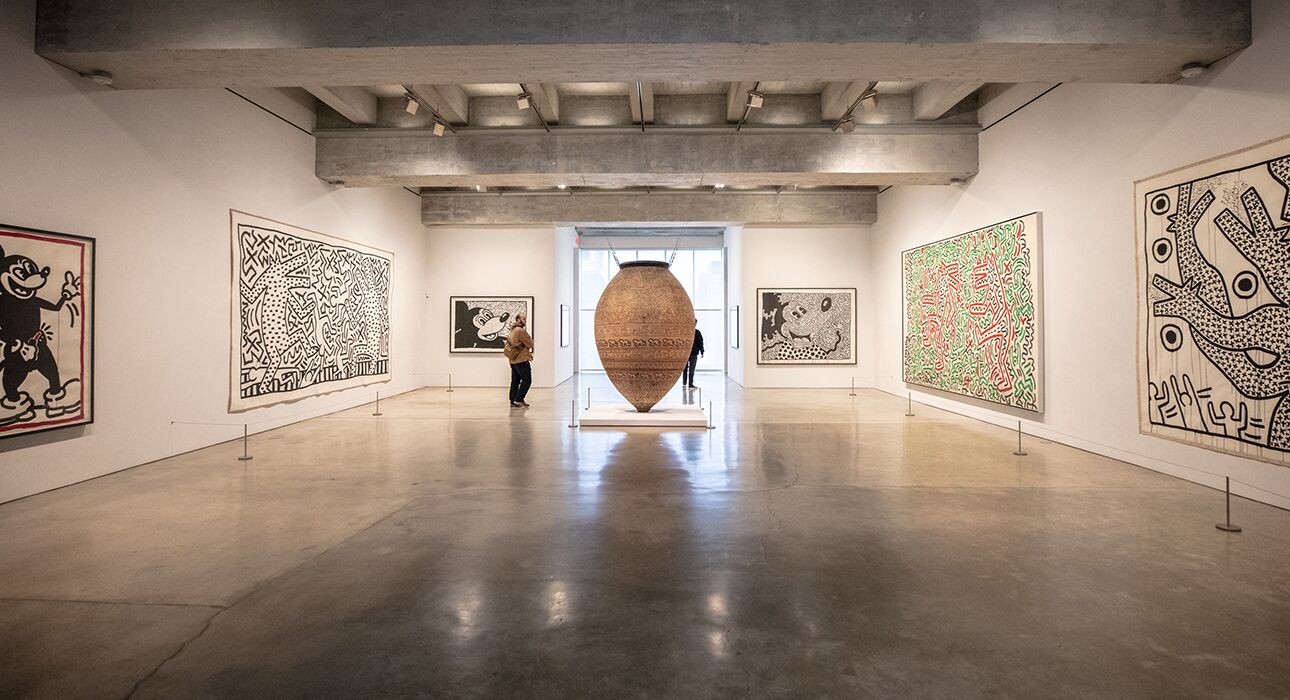
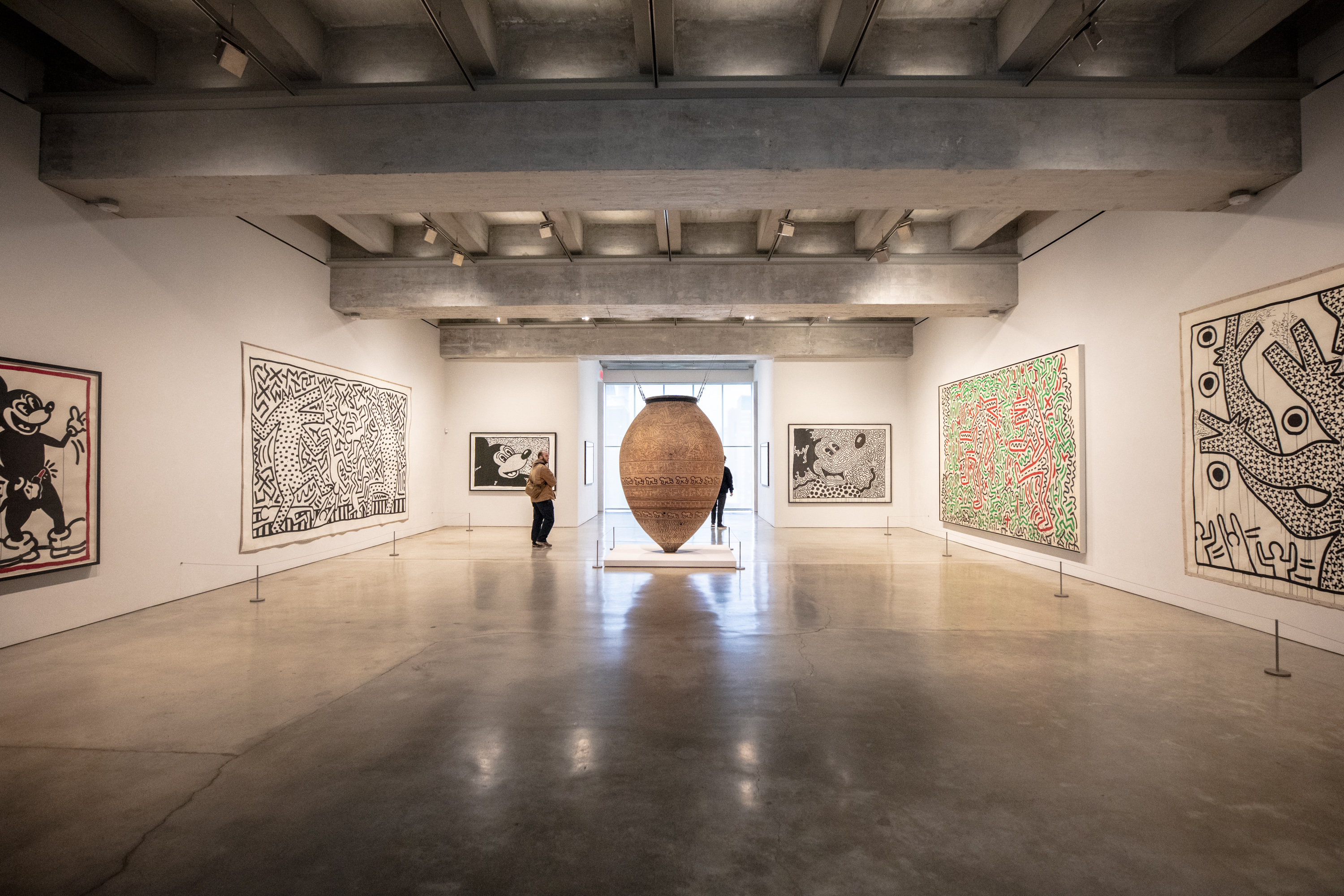
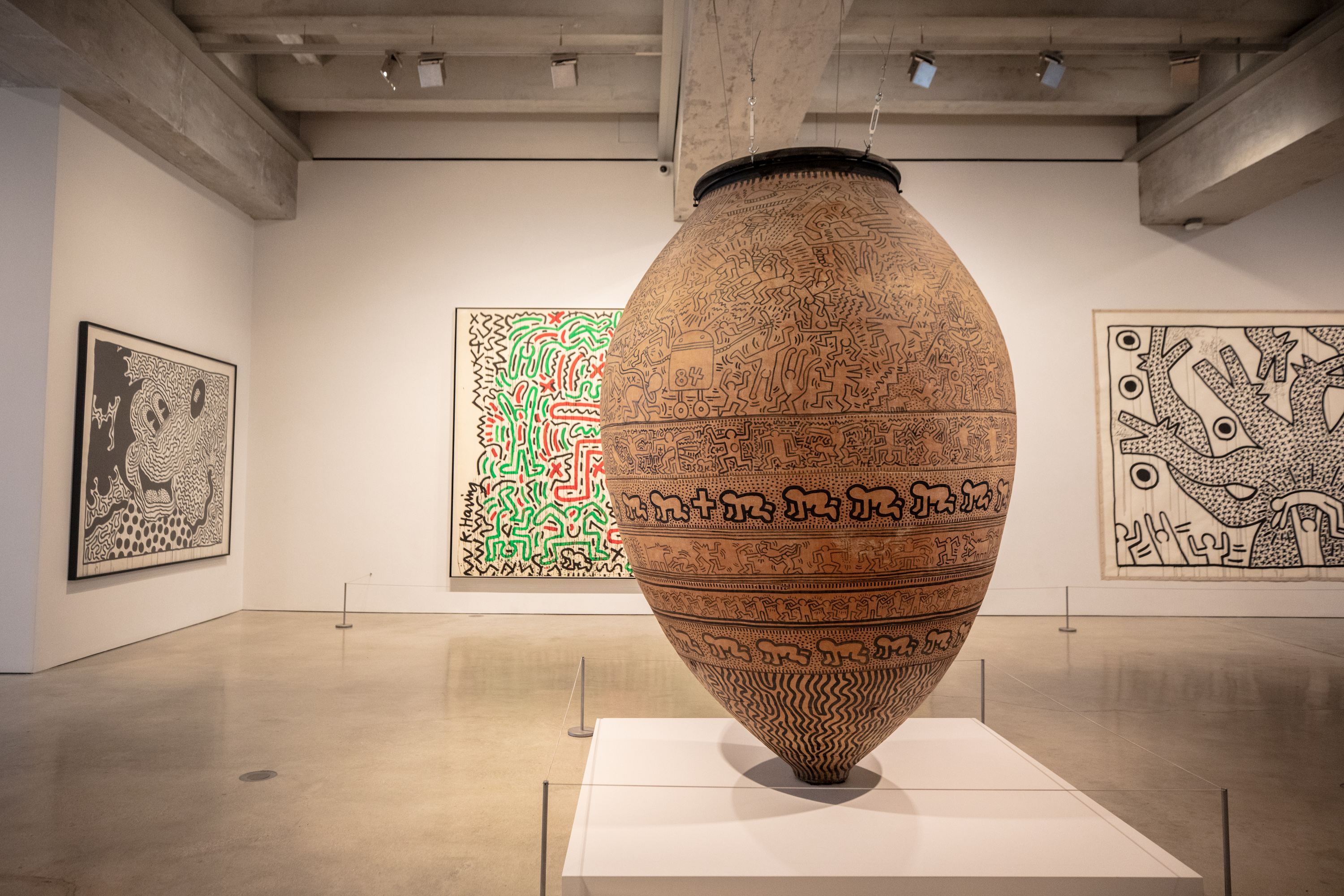
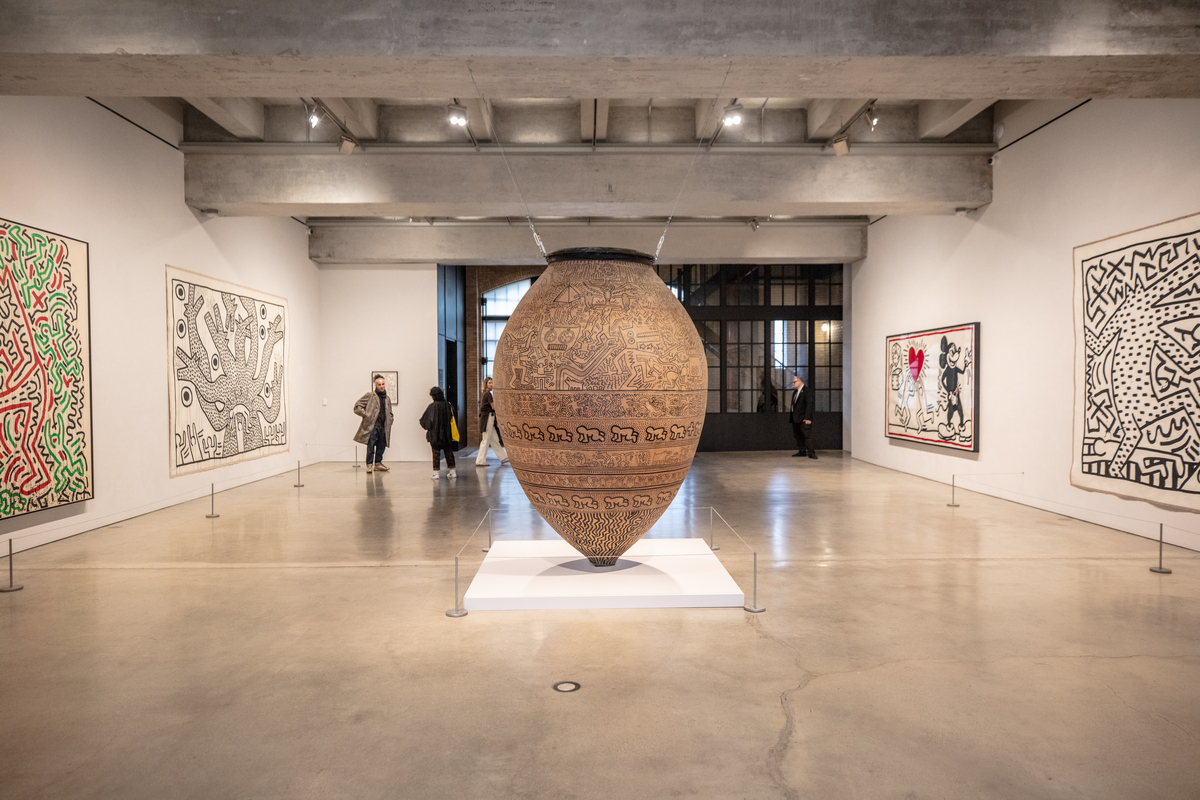
Moving one floor down to the third level, the atmosphere completely shifted. I walked into a large, clean, and fiercely bright gallery defined by its exposed, polished concrete floors and ceilings. The undeniable centerpiece of this room was 'Untitled' (Tinaja), 1982 to 1983. Standing eight and a half feet tall, this monumental terracotta vessel, painted by Haring during a visit to Italy, dominated my view. It served as an uncommon bridge between ancient ceramic traditions and the kinetic, street level subversion of 1980s New York. Surrounded by massive canvases featuring his iconic characters in vivid action, the vessel commanded the room with a timeless, almost mythological presence.
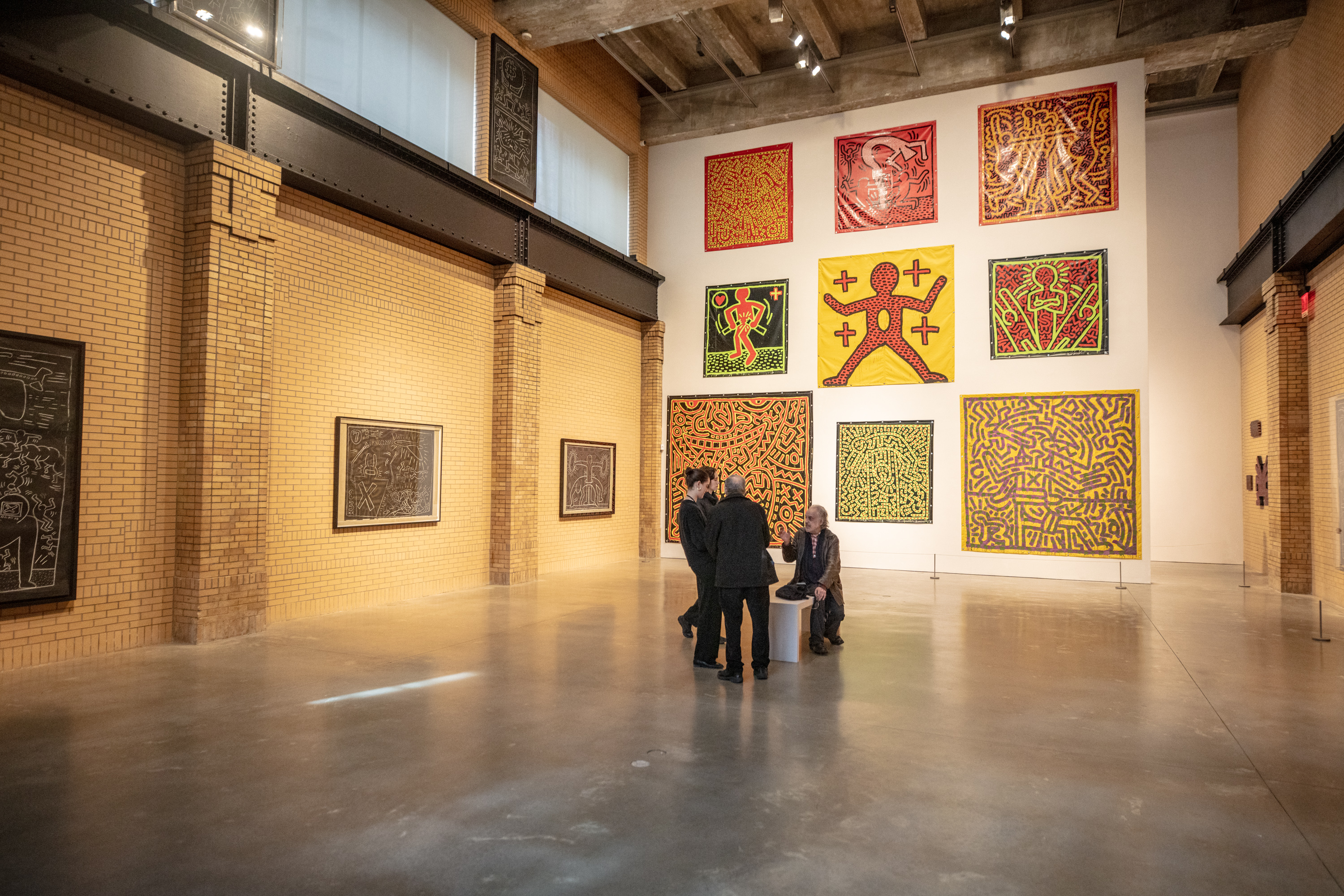
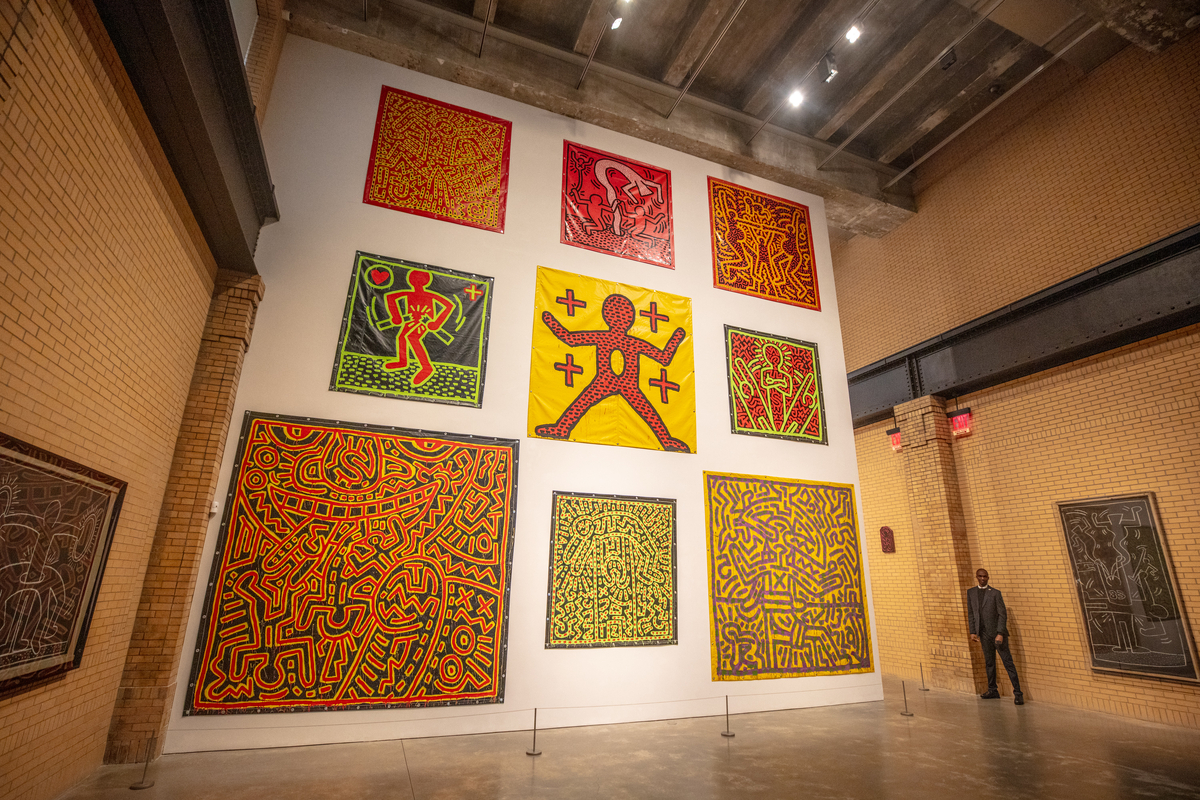
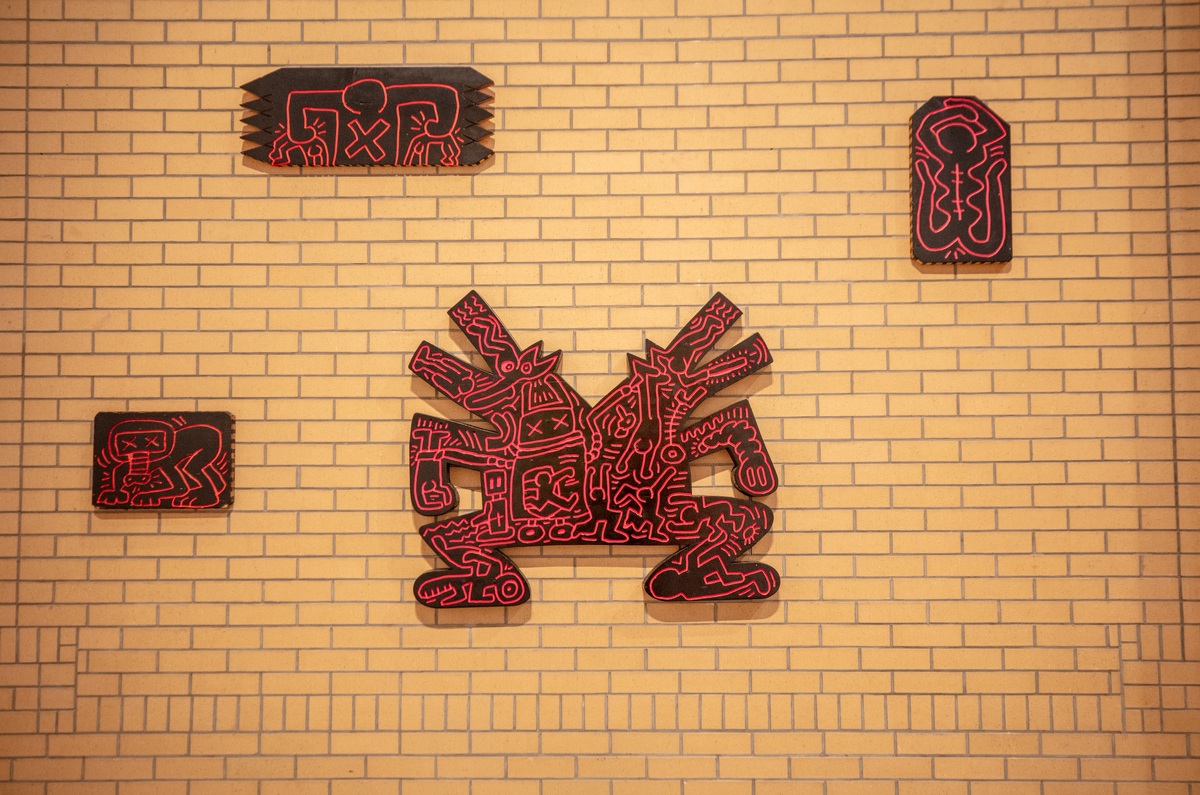
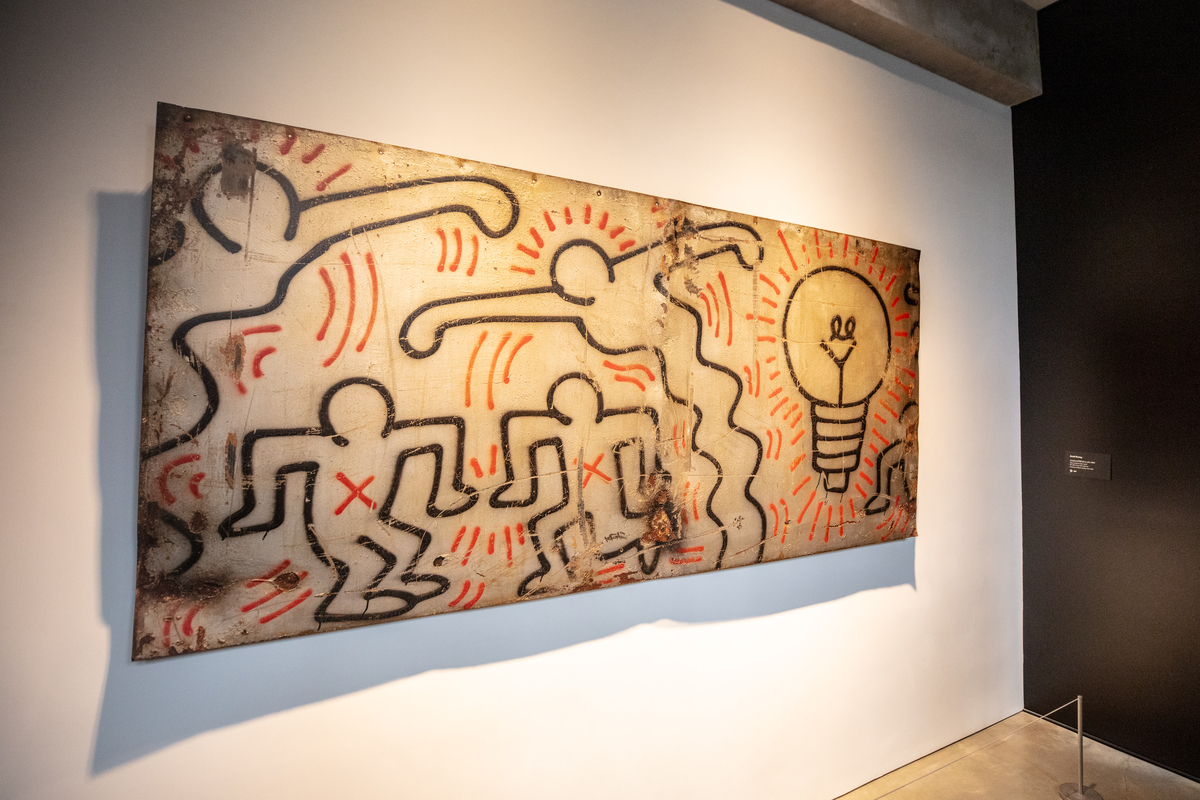
My descent concluded on the second floor, which immediately overwhelmed my senses with a massive wall of densely stacked works. The room itself felt distinctly like a school gymnasium, evoking a strong nostalgia for the kind of raw, open space that would have hosted a DIY art show in the Lower East Side during the 1980s. This concentrated burst of color and form gave way to a designated area I found hidden just behind it, where I was met with a vivid neon piece glowing intensely glowing even without an ultra-voilet light. This Day-Glo presentation, a trademark of Haring's early practice, vividly mimicked the neon drenched atmosphere of the downtown club scene. They were sanctuaries where people could be themselves regardless of race, sexuality, or gender. It was within these very communities that his advocacy found its deepest roots and urgency. As Peter M. Brant noted of the exhibition, "Haring was a champion for important causes of his time, particularly the AIDS crisis. He used his art to support his tireless activism and advocate for change."
By guiding me from the sunlit heights of the fourth floor down to the nostalgic, gymnasium like expanse of the second, the Brant Foundation offered a deeply physical way to experience Haring's evolution. Walking through the space, it became incredibly clear how his developing humanist code was far more than visually dynamic. It served as a relentless critique of political overreach and racial prejudice, actively battling societal apathy, systemic fear, and the quiet erasure of marginalized voices. It was a potent reminder that before his kinetic lines belonged to the world at large, they were forged in the laboratories of subway stations and downtown dance floors, standing as a vital visual protest against a world trying to look the other way.
'The Brant Foundation Presents Keith Haring' runs Marth 11 through May 31, 2026 at The Brant Foundation’s East Village space.
Ready to collect works by Keith Haring?
We offer end‑to‑end expertise - acquisitions, legacy planning, and collection development - so every artwork adds cultural depth and financial strength. Let's shape your collecting future.Book your consultation now!