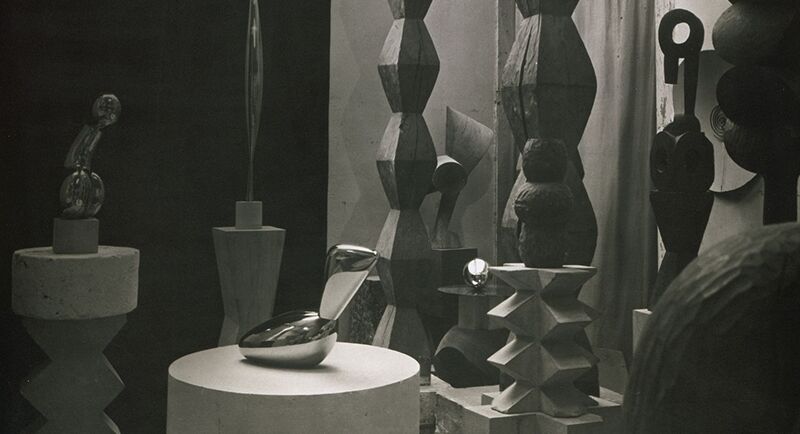
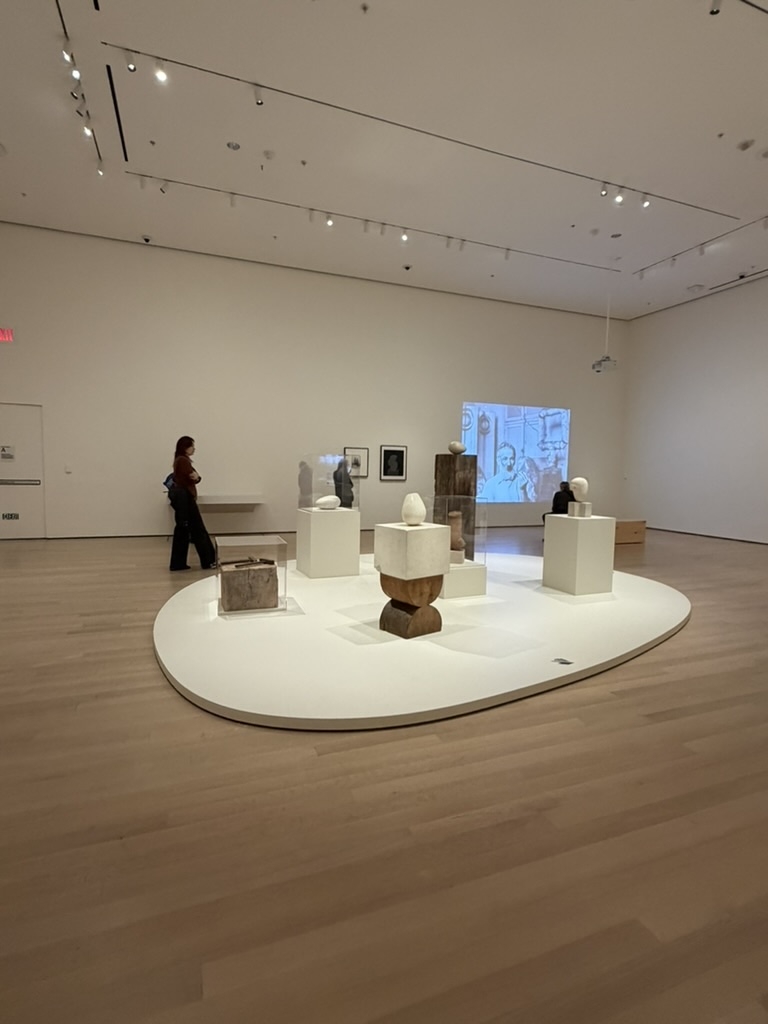
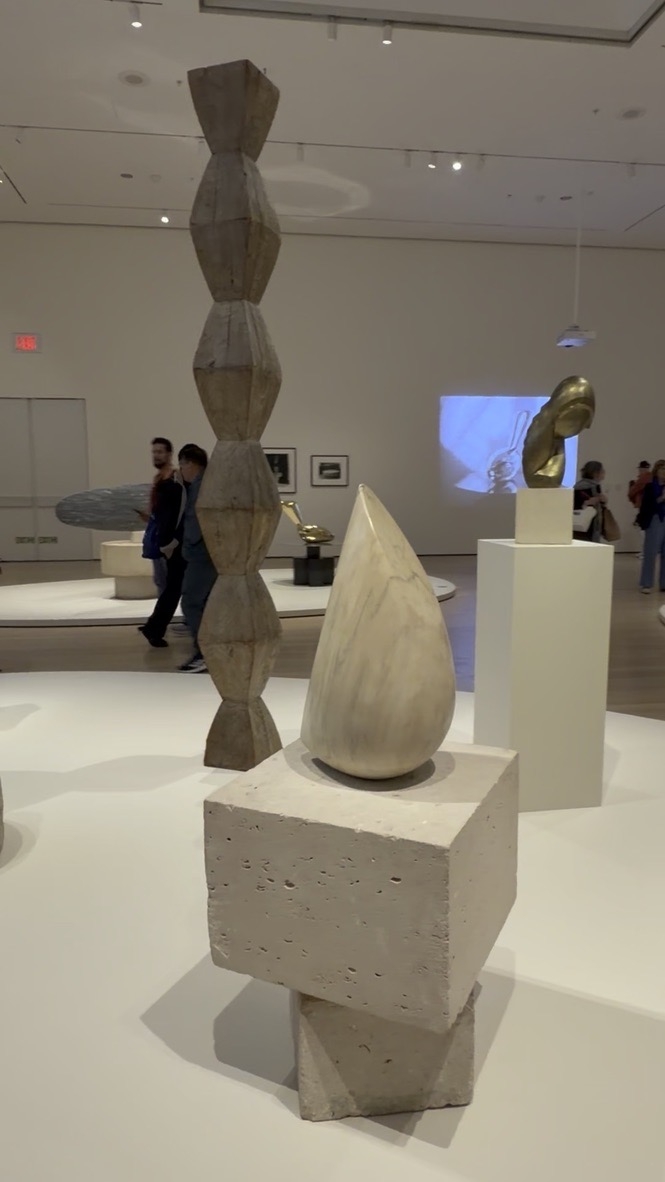
Stepping into the Museum of Modern Art yesterday for the exclusive preview of Brâncuși The Artist and His Studio felt less like entering a traditional museum gallery and more like crossing the threshold into a sacred timeless sanctuary. Organized in collaboration with the Centre Pompidou which houses the permanent Atelier Brâncuși in Paris this landmark exhibition brilliantly dissolves the boundary between an artist's workspace and the artwork itself. For an art advisor and lifelong enthusiast walking among these rare luminous loans offered a breathtaking reminder of why Constantin Brâncuși remains the ultimate sculptor's sculptor.
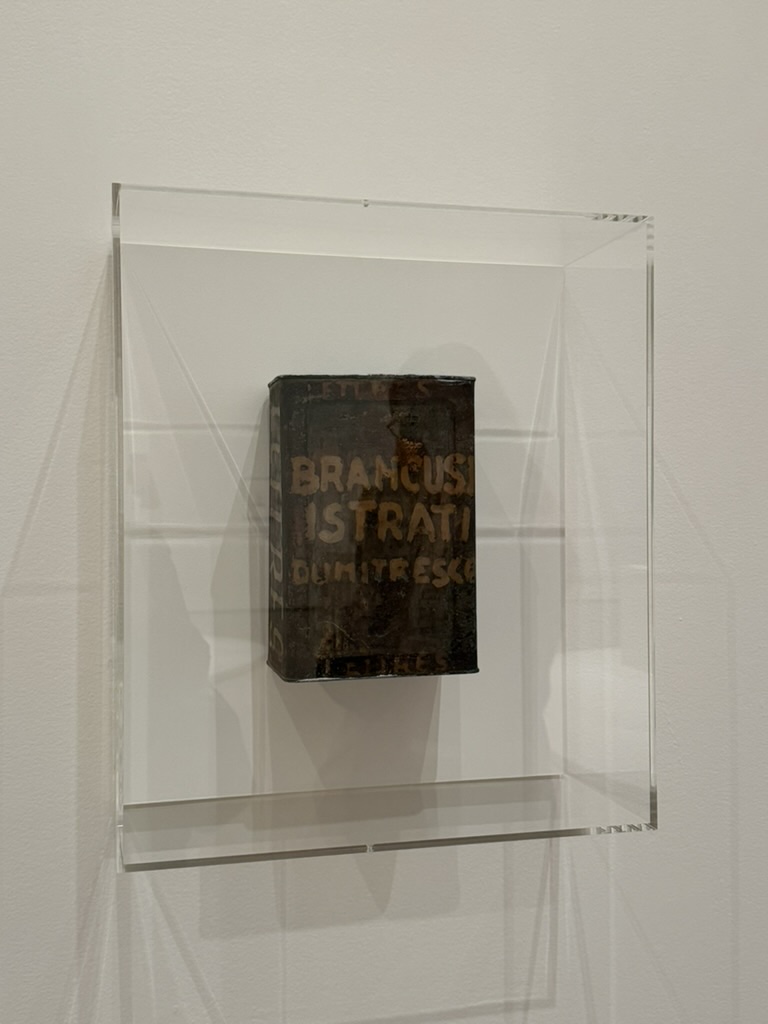
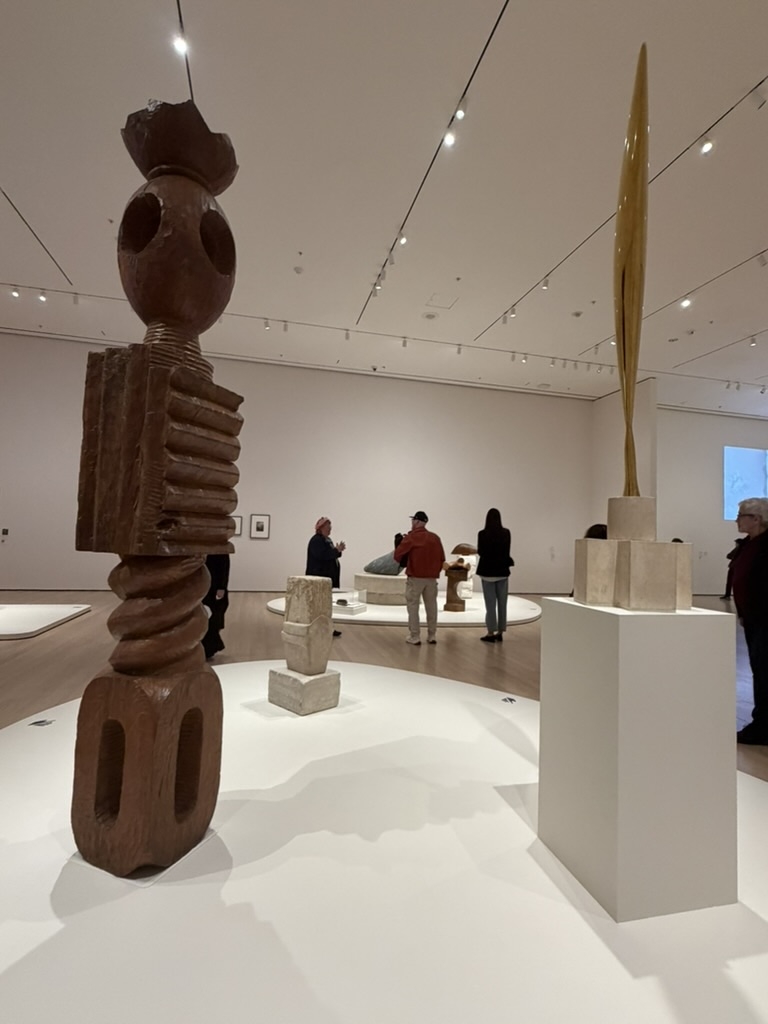
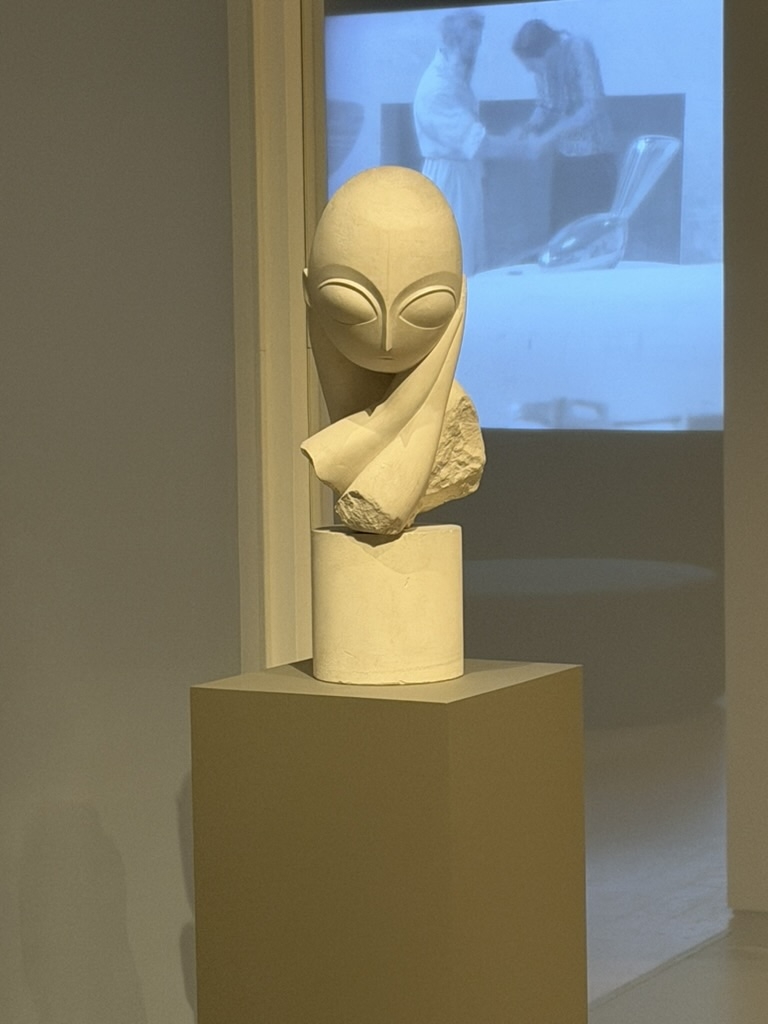
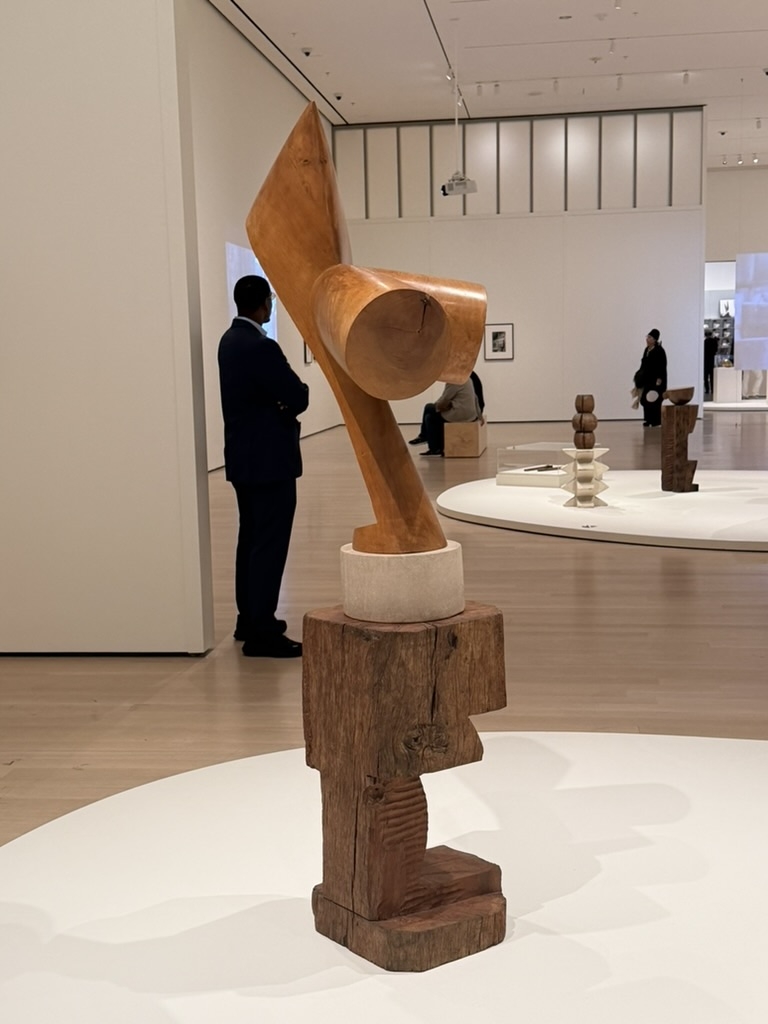
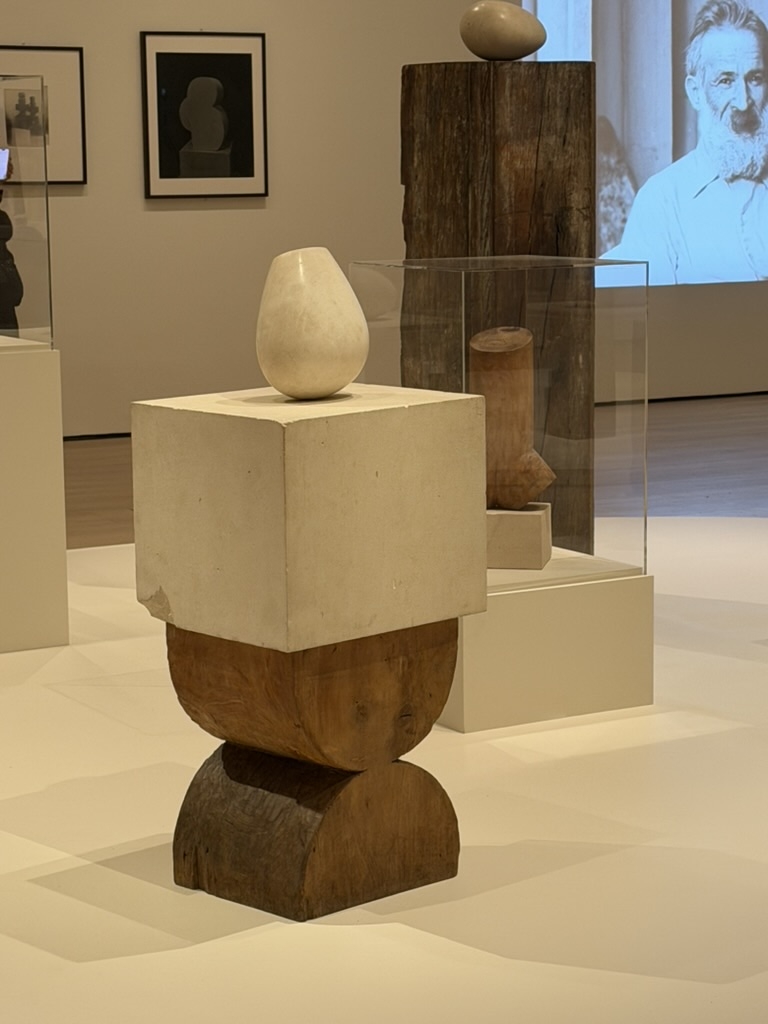
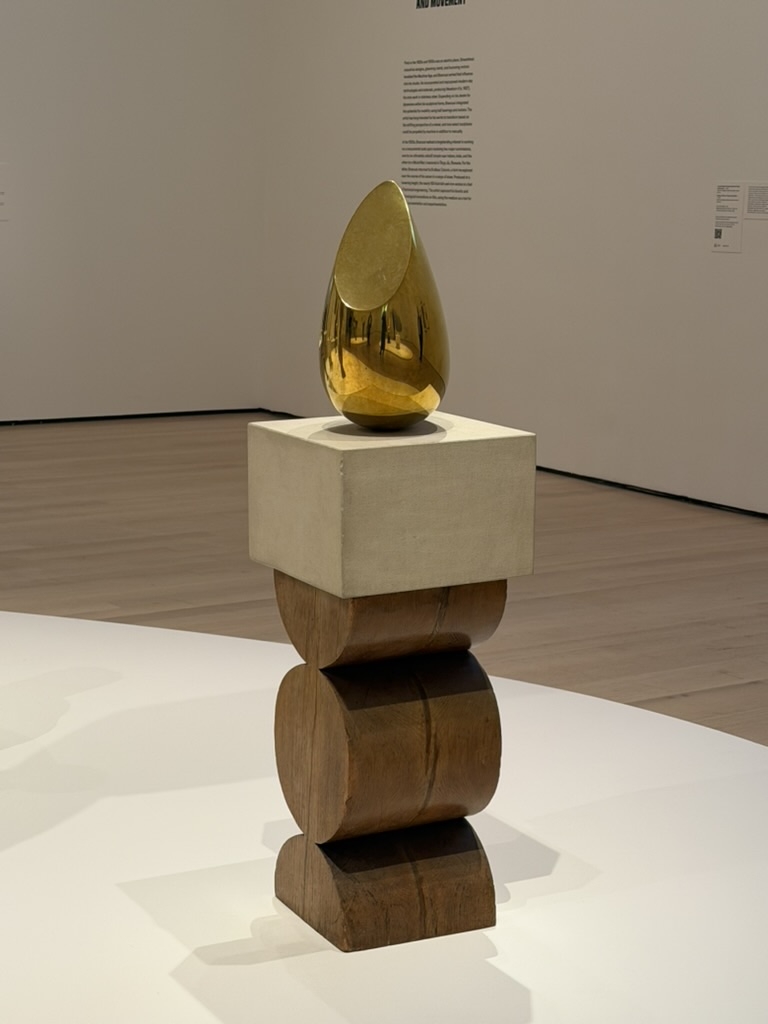
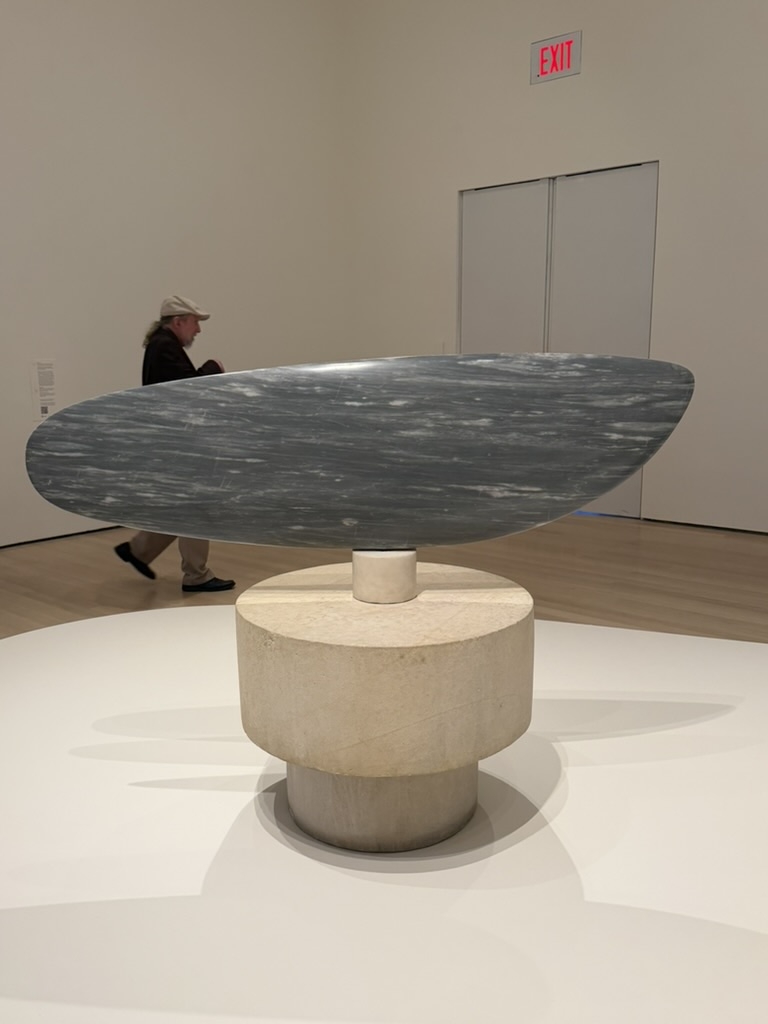
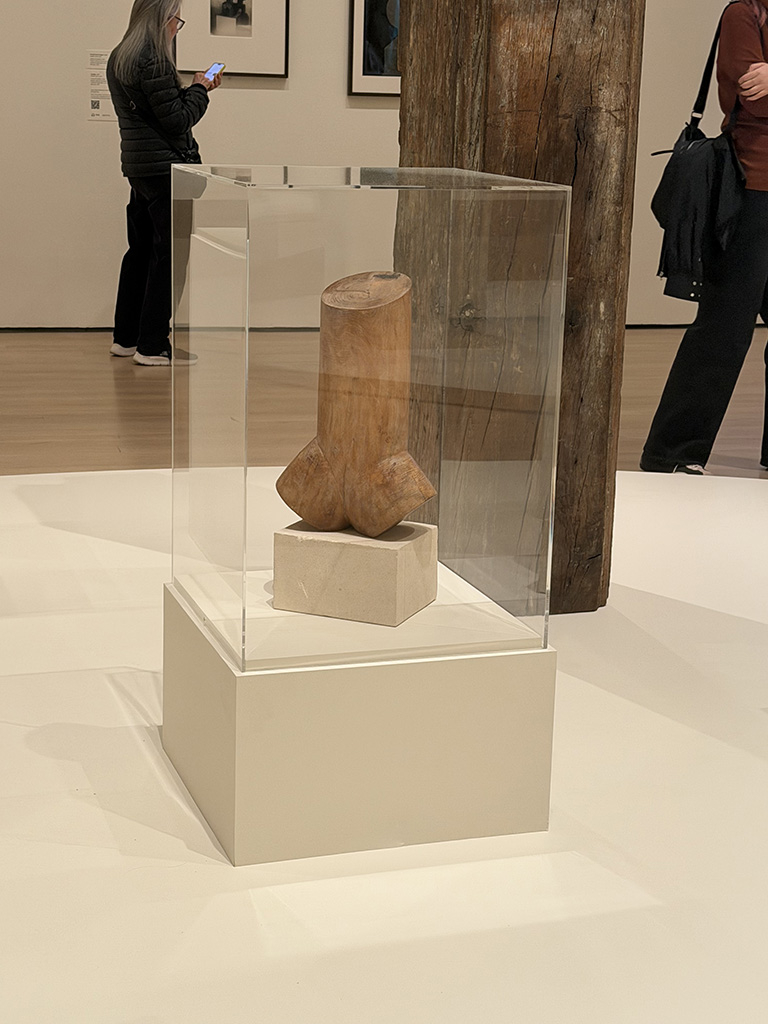
The exhibition captures the heartbeat of Brâncuși's legendary studio on the Impasse Ronsin in Paris. To Brâncuși his studio was never just a utilitarian place to make things as it was an evolving cosmos. He meticulously arranged and rearranged his hand carved furniture tools photographs films and plaster and bronze sculptures so that every element played off the other. Crucially his bespoke pedestals were never treated as mere functional platforms. Instead textured stone rough hewn timber and stacked plaster cylinders were conceived as vital integral components of the sculptures they supported. Standing in the galleries yesterday enveloped by the glow of polished bronze and refined marble you could feel the spatial poetry that captivated avant garde visitors a century ago.
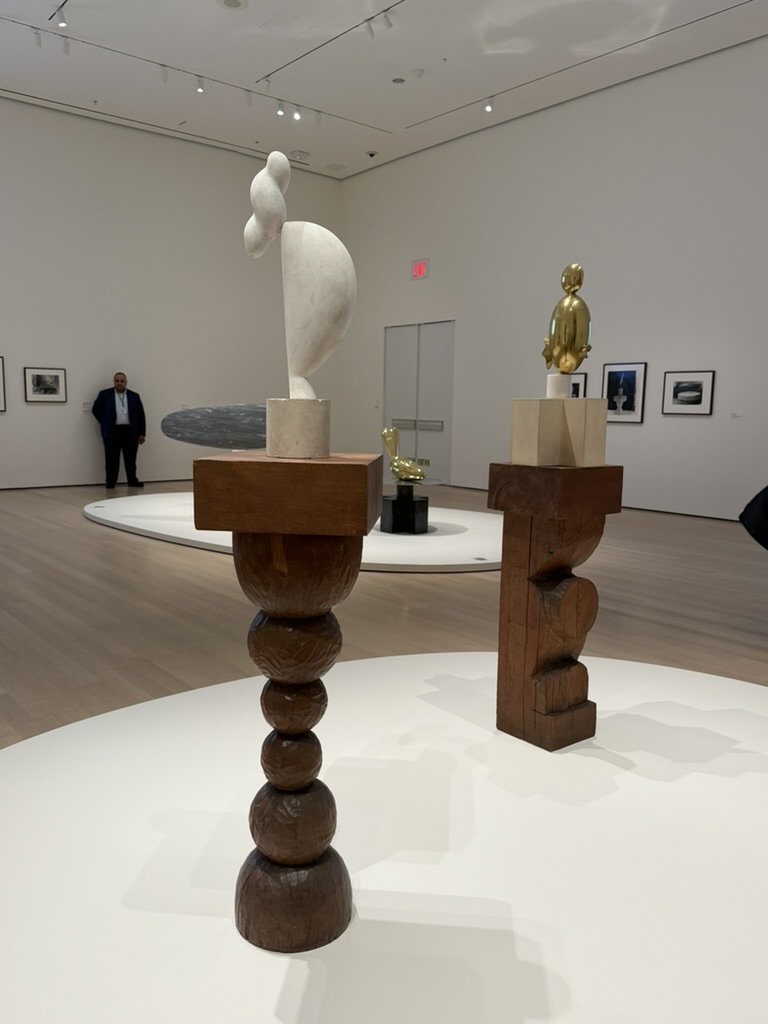
Yet as I looked closely at icons like Bird in Space The Fish and variants of The Kiss my mind drifted to the sheer radicalism of Brâncuși's vision within historical context. Today we look at his impossibly sleek pared down forms and see the genesis of modern minimalism clean elegant and universally celebrated. But as an art historian and advisor it is vital to remember how violently alien this aesthetic was to the world when Brâncuși first birthed it. When Brâncuși began stripping away descriptive details to chase the internal essence of his subjects the global art establishment was still deeply rooted in academic realism ornate ornamentation and figurative imitation.
To early twentieth century eyes conditioned to classical convention his reduction of a bird into a sheer soaring vector of upward thrusting golden light was not just avant garde it was baffling and even offensive. The art world simply had not yet evolved a vocabulary or a mindset to accept the total simplification of shape and form as legitimate high art. History provides no clearer testament to this cultural friction than the famous 1926 United States customs trial involving Bird in Space. When Brâncuși attempted to ship the sculpture into New York customs officials refused to classify it as a work of art instead taxing it under kitchen utensils and professional instruments because it bore no resemblance to an actual bird. Imagine standing before a form so purely distilled so spiritually charged that a government bureaucrat categorized it alongside industrial metal piping.
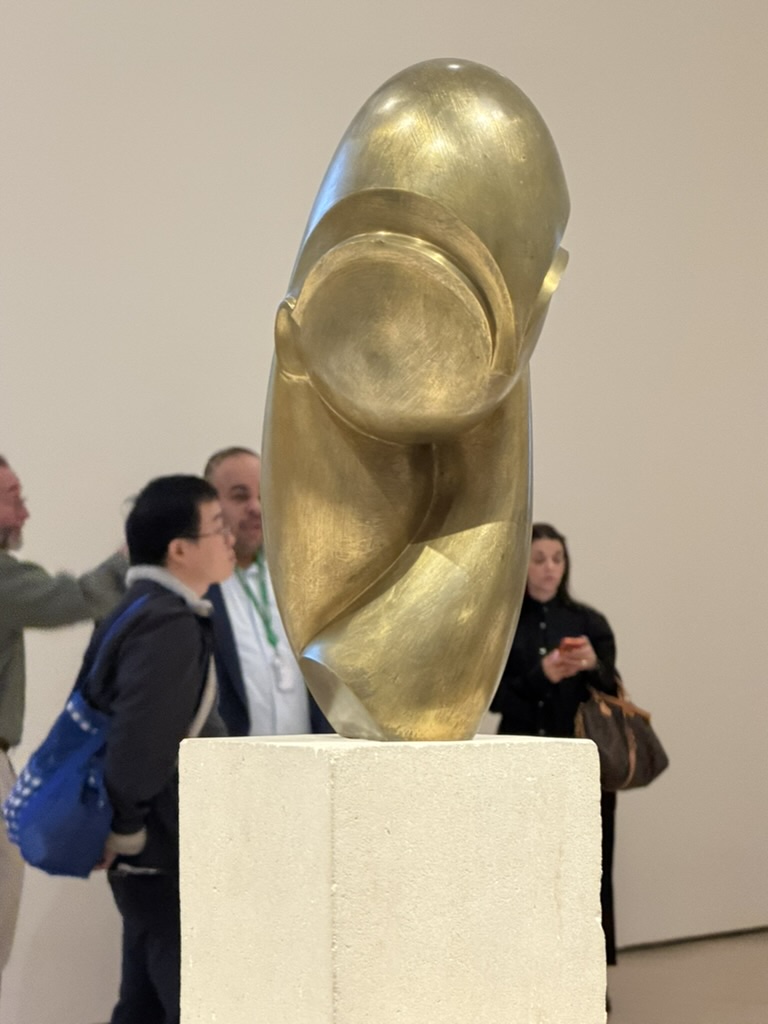
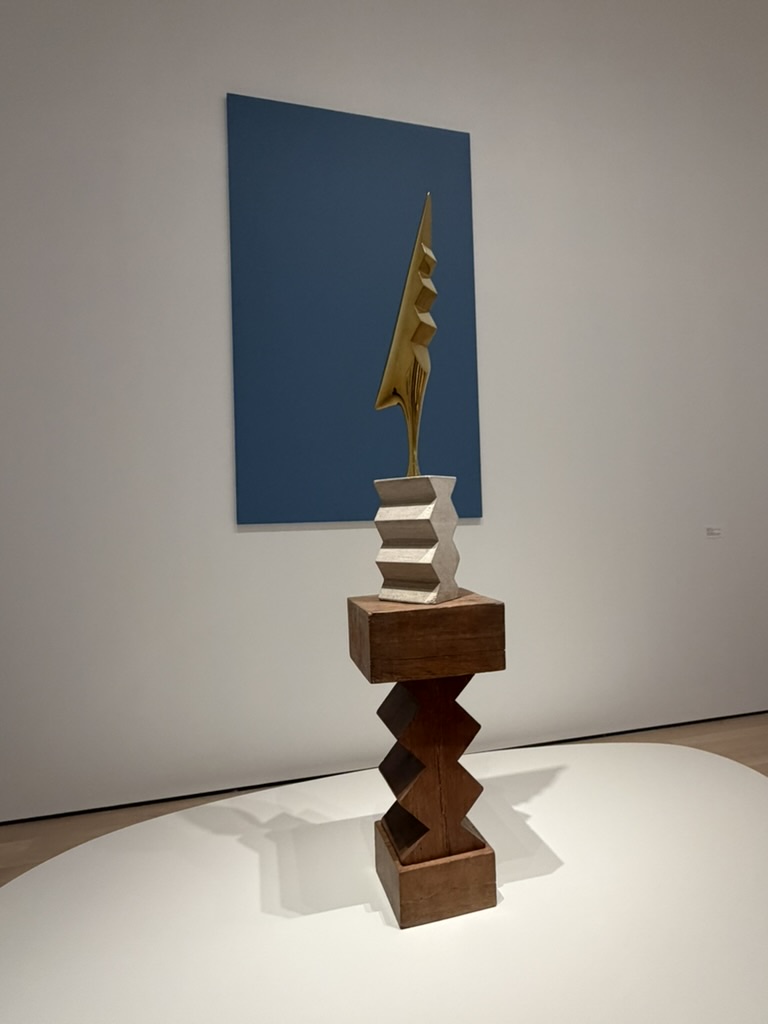
Brâncuși's genius lay in his refusal to bow to these conventional expectations. While his contemporaries were busy fracturing space through Cubism or unleashing raw emotion through Expressionism Brâncuși looked inward seeking the universal soul of things. He captured the flight of a bird the curve of a torso and the stealth of a fish by shedding every unnecessary ounce of physical weight. He did not carve what a subject looked like he carved what it felt like to exist. Walking out of MoMA yesterday into the rush of Midtown Manhattan I thought of Brâncuși's famous reaction upon first glimpsing the New York skyline in 1926 saying Why it is my studio. All these blocks all these shapes to be shifted and juggled with as the experiment grows and changes.
Brâncuși The Artist and His Studio proves that the sculptor's experiments never stopped growing. He was a trailblazer who forced a reluctant world to radically expand its definition of beauty. By trusting the power of a single iconic curve long before history was ready to understand it Brâncuși did not just carve stone and metal. He carved out the entire future of modern abstraction.
Exhibition Details:
Brâncuși The Artist and His Studio
The MET Fifth Avenue
Member Previews Oct 22 to 24
Public Dates Oct 25 2026 to Feb 27 2027
Interested in Blue chip works by Brâncuși?
We offer end‑to‑end expertise - acquisitions, legacy planning, and collection development - so every artwork adds cultural depth and financial strength. Let's shape your collecting future.Book your consultation now!